
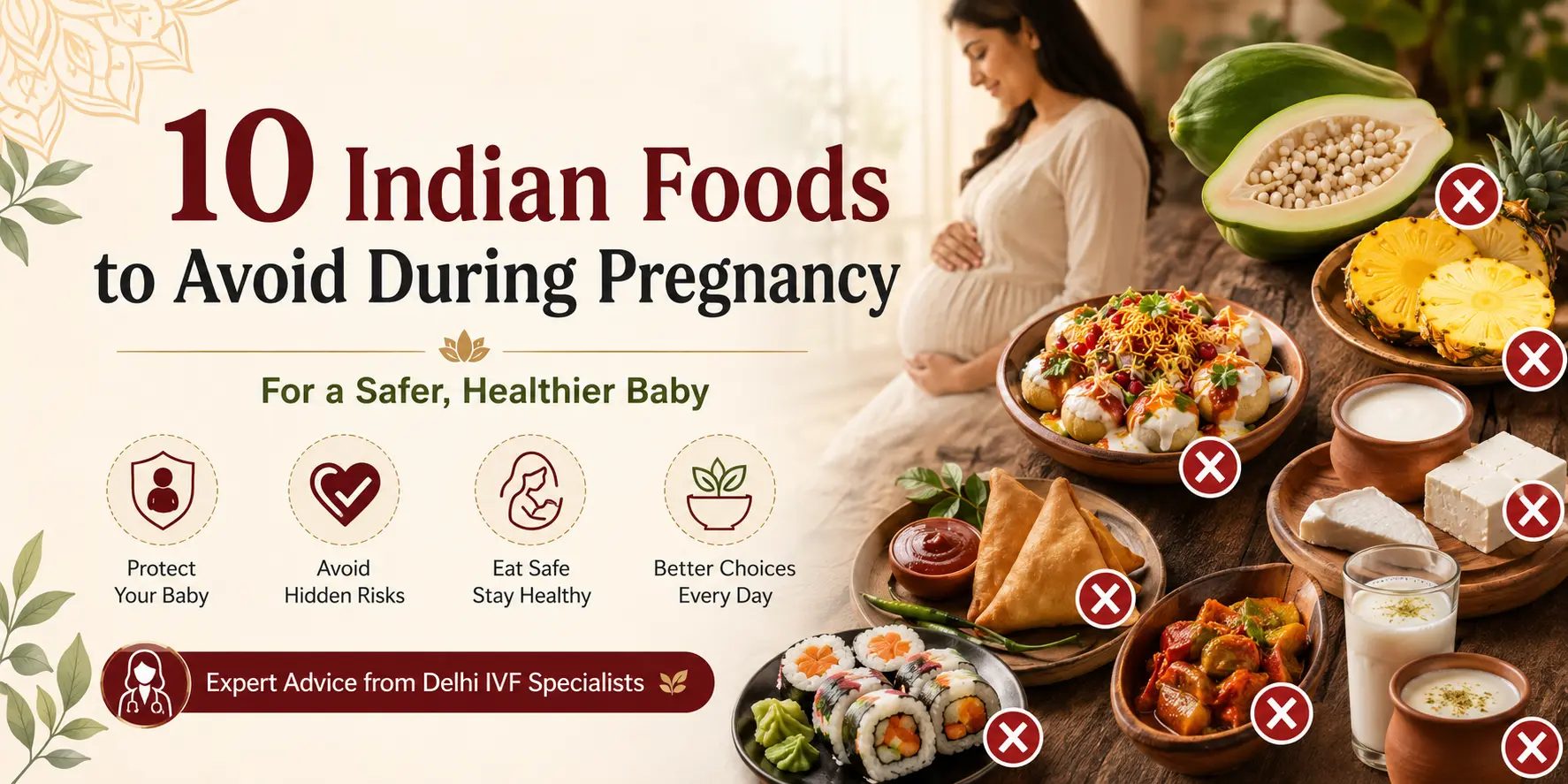
Pregnancy in India comes wrapped in food traditions. Well-meaning relatives insist on ghee-laden sweets, roadside chaats appear at every family gathering, and old kitchen wisdom is passed down without much scientific review. Most of it is harmless. Some of it, however, carries real risks for the growing baby, especially in the first three months when the placenta is still forming and the foetus is at its most vulnerable.
Understanding the Indian foods to avoid during pregnancy is not about giving up flavour or being paranoid at every meal. It is about knowing which specific ingredients, cooking methods, and hygiene shortcuts can trigger infections, hormonal disruptions, or contractions, and choosing safer swaps that still fit an Indian kitchen. At Delhi IVF & Fertility Research Centre, our specialists routinely counsel pregnant patients, and especially those who conceived through IVF treatment, on exactly this list.
This article walks through the ten foods our specialists most often ask patients to skip, explains the reasoning in plain language, offers safer alternatives, and answers the questions Indian mothers-to-be ask us most.
Why Some Indian Foods Are Risky During Pregnancy
An expectant mother's immune system is naturally suppressed to protect the growing baby, which makes her more susceptible to foodborne infections such as listeriosis, salmonellosis, and toxoplasmosis. Certain ingredients also contain enzymes or compounds that can stimulate uterine activity or affect hormonal balance. Add to that the high oil, salt, and sugar load in many Indian preparations, and the risk of gestational diabetes, hypertension, and reflux climbs quickly.
The list below focuses on foods that carry either a proven infection risk, a documented uterine-stimulating effect, or a significant metabolic burden. It is not exhaustive, and personalised advice from your obstetrician always takes precedence.
10 Indian Foods to Avoid During Pregnancy
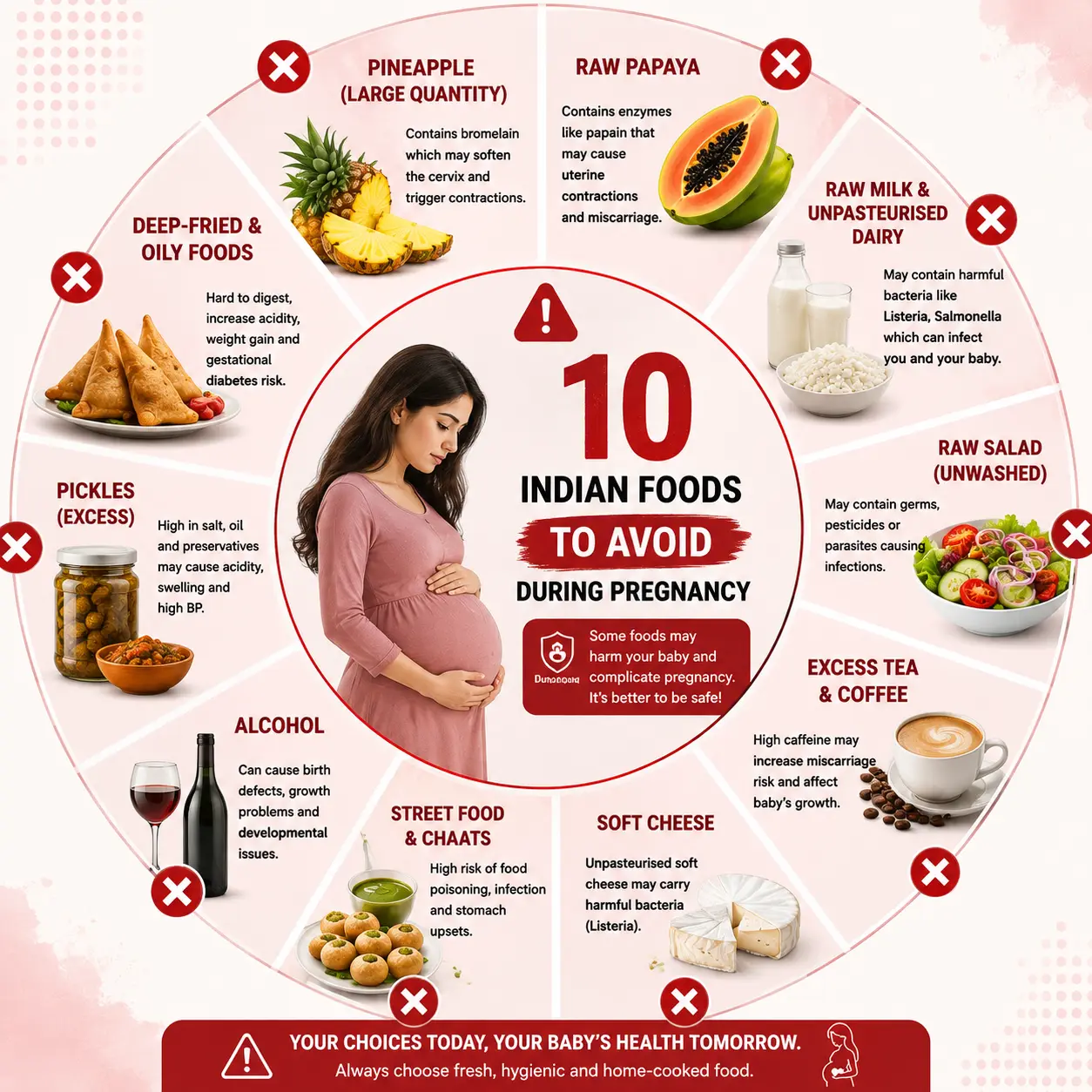
1. Raw or Semi-Ripe Papaya
Raw and semi-ripe papaya contain latex, papain, and chymopapain, compounds that behave like the hormone prostaglandin and can stimulate uterine contractions. In early pregnancy, this may raise the risk of miscarriage or preterm labour. Papain also interferes with foetal membrane development in animal studies.
Fully ripe papaya, with red-orange flesh and no traces of latex, is considered safe in small amounts. Even so, most clinicians advise caution during the first trimester. Avoid raw papaya salads, papaya curries, and pickles until after delivery.
2. Unpasteurised Milk and Soft Cheeses
Milk sourced directly from a local dairy without pasteurisation, along with soft paneer, home-set curd from raw milk, and imported soft cheeses, can carry Listeria monocytogenes, Salmonella, or E. coli. Listeriosis is particularly dangerous, as it can cross the placenta and cause miscarriage, stillbirth, or severe neonatal infection.
Boil all milk thoroughly before use, choose pasteurised packaged milk where possible, and use fresh, well-set curd from clean utensils. Firm, cooked paneer is fine when it has been prepared hygienically.
3. Pineapple in Large Quantities
Pineapple contains bromelain, an enzyme that in concentrated form can soften the cervix. The bromelain in one modest serving of pineapple is very small, so an occasional slice is unlikely to cause harm. Concern arises with very large helpings, fresh pineapple juice consumed daily, or bromelain supplements.
The safer position is moderation. Skip pineapple in the first trimester if you have a history of miscarriage or preterm labour, and avoid supplements and cleansing juices altogether unless your doctor approves them.
4. Street Food and Chaats
Golgappa, bhel puri, aloo tikki, chowmein from a roadside cart, and cut fruit chaat are among the most common triggers for food-borne illness in Indian mothers-to-be. Contaminated water in the pani, unwashed produce, reused frying oil, and open storage all raise the risk of typhoid, hepatitis A, and severe gastroenteritis.
Recreate these snacks at home with filtered water and clean produce. A homemade pani puri using boiled and cooled water gives you the flavour without the hospital admission.
5. Deep-Fried and Oily Snacks
Samosa, pakora, kachori, bhatura, and jalebi are cultural favourites, but heavy fried foods deliver a large dose of saturated and trans fats, aggravate heartburn, and contribute to excess weight gain and gestational diabetes. Reused oil can also contain harmful compounds that inflame the gut lining.
Choose baked, roasted, or shallow-fried versions, and reserve deep-fried treats for occasional celebrations. Roasted chana, boiled corn, dhokla, and steamed idli are Indian snacks that satisfy without the fat load.
6. Excess Caffeine from Tea and Coffee
The average Indian household runs on chai. Excess caffeine, however, is linked with low birth weight, miscarriage, and reduced iron absorption. Most obstetric guidelines recommend keeping total caffeine intake under 200 mg per day, which is roughly one modest cup of filter coffee or two small cups of tea.
Remember that chocolate, cola, and some over-the-counter medicines also contain caffeine. Herbal teas are not automatically safe either; ingredients such as liquorice, sage, and pennyroyal should be avoided. Warm milk with cardamom or fresh coconut water are better everyday options.
7. Excess Fenugreek Seeds and Methi
Fenugreek is used generously in Indian cooking, and in normal culinary quantities it is safe. Large medicinal doses, though, such as concentrated methi water, fenugreek supplements, or heaped tablespoons of soaked seeds daily, have uterine-stimulating and blood-sugar-lowering effects that can be problematic during pregnancy.
Stick to the small pinch of methi you would normally add to a sabzi or dal. Avoid fenugreek-based tonics and slimming teas throughout pregnancy unless a doctor has specifically prescribed them.
8. Overuse of Pickles and Heavily Spiced Foods
Achaar is packed with salt, oil, and preservatives. Regular heavy consumption pushes up sodium intake, which can raise blood pressure and worsen fluid retention, both concerns in later pregnancy. Very spicy curries can also trigger acid reflux, which is already common during the second and third trimesters.
A spoon of pickle with a meal is fine. Family-sized helpings, jars of raw mango pickle every day, and extra-spicy chaat masalas are best kept off the daily plate.
9. Unwashed or Raw Vegetables and Salads
Toxoplasma gondii and Listeria can hide on the surface of leafy greens, sprouts, and vegetables grown with untreated compost. Toxoplasmosis during pregnancy is associated with vision loss, learning difficulties, and other developmental problems in the baby.
Wash all vegetables thoroughly under running water, peel where possible, and prefer cooked vegetables over raw salads while pregnant. Skip raw sprouts entirely, and be cautious with restaurant salads where washing standards are unknown.
10. Alcohol, Tobacco, Paan, and Gutka
No safe level of alcohol has been established during pregnancy. Alcohol crosses the placenta freely and is linked with foetal alcohol spectrum disorder, learning difficulties, and congenital heart defects. Tobacco in any form, including paan, paan masala, gutka, and passive smoke, is associated with preterm delivery, low birth weight, and stillbirth.
If you are trying to conceive or already pregnant, stop completely and ask your doctor for support if quitting is difficult. This single change makes a bigger difference than any other item on this list.
Quick Reference: Foods to Avoid and Safer Indian Swaps
| Food to Avoid | Main Concern | Safer Indian Alternative |
| Raw or semi-ripe papaya | Uterine contractions, miscarriage risk | Ripe papaya in small amounts after first trimester |
| Unpasteurised milk, raw-milk paneer | Listeria, Salmonella | Boiled or pasteurised milk, firm cooked paneer |
| Large helpings of pineapple | Bromelain, cervical softening in high doses | One small slice occasionally |
| Street chaat and pani puri | Contaminated water, hepatitis A, typhoid | Homemade chaat with filtered water |
| Samosa, pakora, jalebi | Trans fats, heartburn, gestational diabetes | Baked or roasted snacks, dhokla, idli |
| Multiple cups of tea and coffee | Miscarriage risk, low birth weight | Under 200 mg caffeine daily, coconut water |
| Methi water, fenugreek supplements | Uterine stimulation, low blood sugar | Small culinary use of methi in cooking |
| Achaar and very spicy curries | High sodium, reflux, hypertension | Fresh chutneys, mildly spiced dals |
| Raw salads and unwashed greens | Toxoplasmosis, Listeria | Well-washed, cooked vegetables |
| Alcohol, tobacco, paan, gutka | Birth defects, preterm birth, stillbirth | Complete avoidance throughout pregnancy |
Foods to Avoid During Early Pregnancy in India
The first twelve weeks are the most sensitive because major organs are forming and the placenta is still establishing itself. During this window, be extra careful with raw papaya, large amounts of pineapple, methi water, unpasteurised dairy, and any street food. Women who have conceived after fertility treatment, particularly those in the two-week wait after embryo transfer, should be even stricter, as the implantation and early placental phase leaves less margin for infection or hormonal disturbance.
If you are still watching for early pregnancy symptoms week by week or your test has just turned positive, treat these dietary rules as the default rather than waiting for a formal obstetric visit.
Signs You May Have Eaten Something Unsafe
Most women feel fine after occasional lapses, but some symptoms deserve prompt medical attention. Contact your obstetrician if you experience any of the following after a meal:
- Persistent vomiting or diarrhoea lasting more than a few hours
- Fever, chills, or unexplained muscle aches
- Sharp lower abdominal cramping or lower back pain
- Any vaginal bleeding or unusual spotting
- Reduced foetal movement in the second or third trimester
- Severe headache with visual disturbance
These can point to food poisoning, listeriosis, urinary infection, or pregnancy complications that need clinical review, not home remedies.
Building a Safe Indian Pregnancy Diet
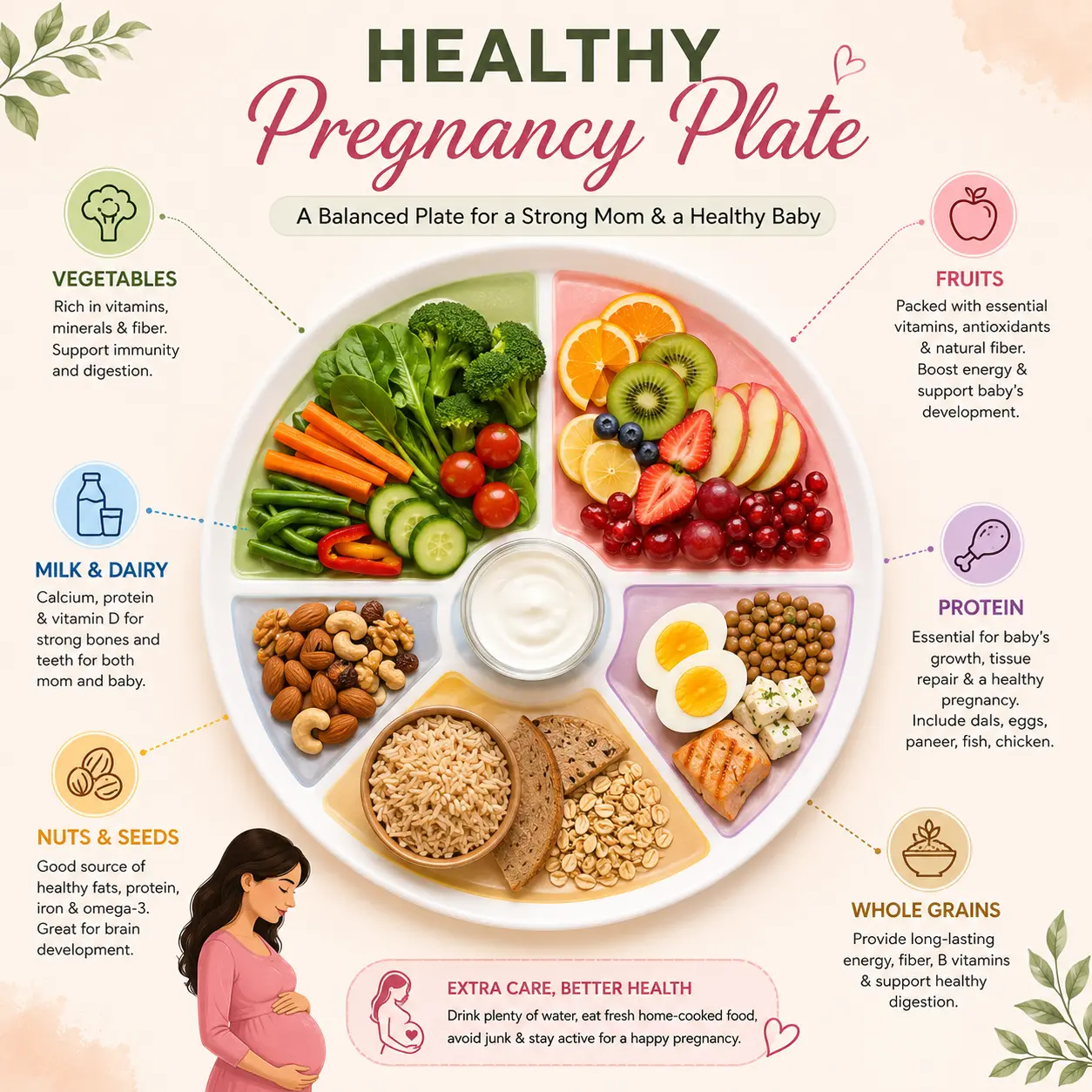
Avoiding the wrong foods is only half the picture. A pregnancy plate in India can still be rich, varied, and comforting when it centres on freshly cooked dals, whole grains such as bajra and jowar, seasonal vegetables, fruits like banana, apple, and pomegranate, well-boiled milk, curd, paneer, eggs, and lean protein. Add a daily source of iron and folate, and take the prenatal vitamins your obstetrician prescribes. Women with polycystic ovary syndrome may benefit from following a specialist PCOS diet plan for Indian women even into early pregnancy, adjusted for pregnancy needs.
Small, frequent meals help with nausea and reflux. Filter or boil your drinking water. Wash hands before cooking and eating. These simple habits prevent the majority of pregnancy-related food problems.
When to Speak to a Fertility and Pregnancy Expert at Delhi IVF
For most healthy pregnancies, a balanced Indian diet with the foods above removed is enough. Some women, however, need more tailored guidance. This includes those with recurrent miscarriage, thyroid or diabetes concerns, high-risk IVF pregnancies, twin pregnancies, and women who are trying to conceive again after loss. Personalised nutrition, close monitoring, and early intervention make a measurable difference in outcomes.
Delhi IVF & Fertility Research Centre has supported more than 25,000 pregnancies from patients across 66 countries. Our team, led by Dr. Anoop Gupta, combines fertility, obstetric, and nutritional expertise under one roof. If you have questions about your specific diet, medications, or early pregnancy symptoms, book a confidential consultation with our team.

