
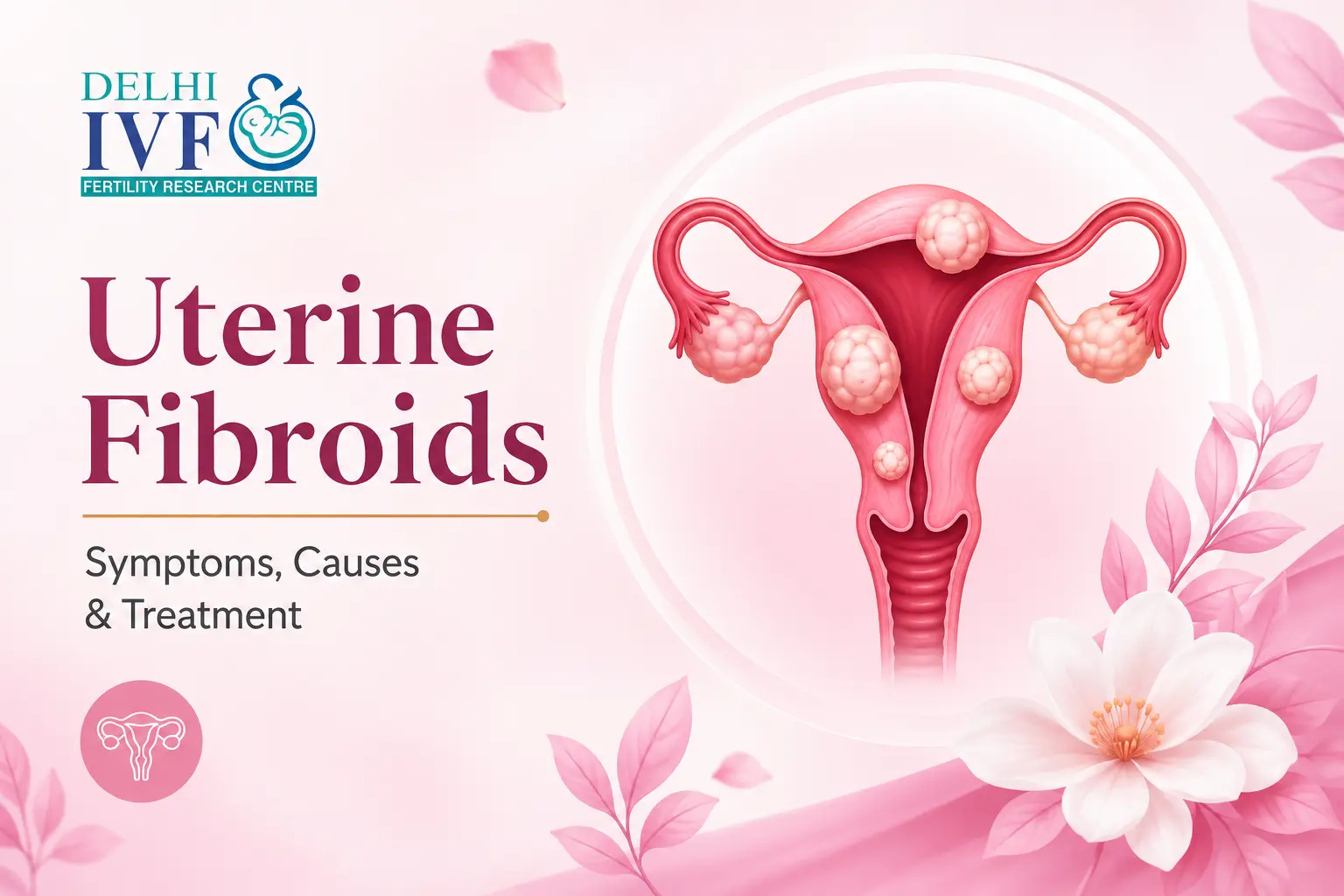
Uterine fibroids are one of the most common gynaecological conditions among Indian women, particularly between the ages of 30 and 50. Also called bachedani mein ganth in Hindi, or leiomyomas medically, these non-cancerous growths develop in or around the uterus and affect an estimated 20 to 40 per cent of women of reproductive age.
The confusing truth about fibroids is that many women live with them for years without symptoms. Others experience heavy periods, chronic pelvic pain, or difficulty conceiving without ever knowing fibroids are the cause. In this guide, the specialists at Delhi IVF & Fertility Research Centre explain what uterine fibroids are, how they affect fertility, the warning signs to watch for, and the treatment options available today.
What are Uterine Fibroids?
Uterine fibroids are non-cancerous growths made of muscle and fibrous tissue that develop in or around the uterus. Medically known as leiomyomas or myomas, they range in size from tiny nodules invisible to the naked eye to large masses that can distort the shape of the uterus. Some women have a single fibroid, while others have several growing at the same time.
Fibroids are not cancerous and rarely develop into cancer. However, their location, size, and number can significantly affect a woman's quality of life, menstrual cycle, and ability to conceive. Understanding fibroids matters because they are the leading cause of hysterectomy in India and a treatable factor in many cases of unexplained infertility.
Types of Uterine Fibroids
Fibroids are classified by where they grow within or around the uterus. Each type behaves differently and has different implications for symptoms and fertility.
| Type | Location | Impact |
| Intramural | Within the muscular wall of the uterus | Most common; may enlarge the uterus |
| Submucosal | Just beneath the inner lining of the uterus | Highest impact on fertility and bleeding |
| Subserosal | On the outer surface of the uterus | Can press on nearby organs |
| Pedunculated | Attached by a stalk, inside or outside the uterus | Can twist and cause severe pain |
| Cervical | Located in the cervix | Rare, may affect childbirth |
Submucosal fibroids, though less common, are the type most strongly linked to heavy bleeding and fertility problems because they distort the uterine cavity where an embryo needs to implant.
Common Symptoms of Uterine Fibroids
Many women with fibroids have no symptoms at all. When symptoms do appear, they can range from mildly inconvenient to seriously disruptive. Watch for:
- Heavy or prolonged menstrual bleeding
- Periods lasting longer than seven days
- Pelvic pressure or a feeling of fullness in the lower abdomen
- Frequent urination caused by pressure on the bladder
- Difficulty emptying the bladder
- Constipation from pressure on the bowel
- Lower back or leg pain
- Pain during intercourse
- Difficulty getting pregnant or repeated miscarriage
- Anaemia and fatigue as a result of heavy blood loss
Symptoms often depend on where the fibroids sit rather than how large they are. A small submucosal fibroid can cause heavier bleeding than a much larger subserosal one. Any of these signs warrants a proper gynaecological evaluation.
What Causes Uterine Fibroids?
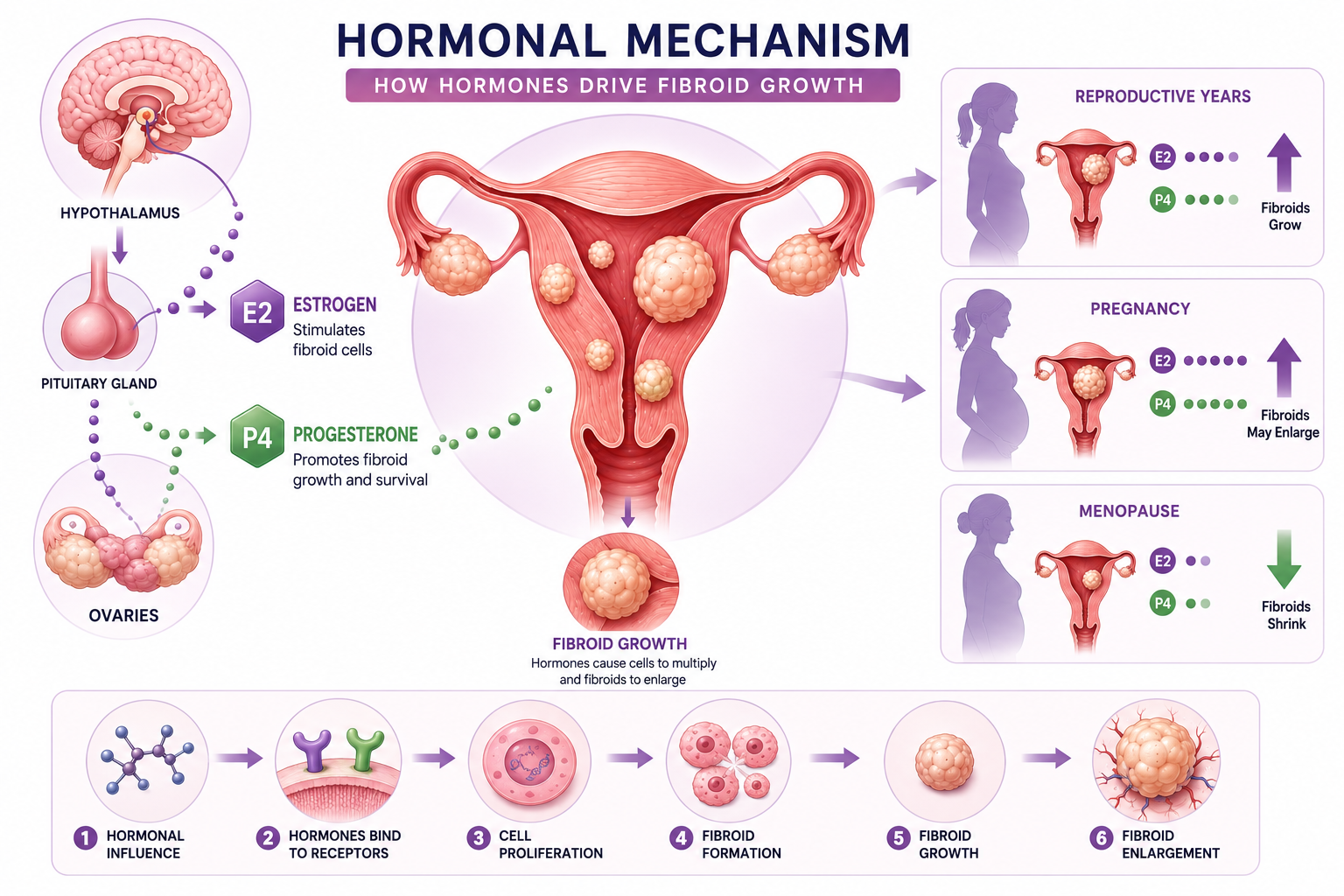
The exact cause of uterine fibroids is still not fully understood. Research points to a combination of hormonal, genetic, and lifestyle factors that influence why fibroids develop and grow.
- Hormonal factors: Oestrogen and progesterone appear to encourage fibroid growth. This is why fibroids often enlarge during pregnancy and shrink after menopause when hormone levels fall.
- Genetic factors: Women with a family history of fibroids are at higher risk, and certain genetic changes have been identified in fibroid tissue.
- Age: Fibroids are most common between the ages of 30 and 50.
- Ethnicity: Indian and South Asian women have a higher lifetime risk compared to some other populations.
- Obesity: Higher body weight increases oestrogen levels, which can raise fibroid risk.
- Vitamin D deficiency: Emerging research links low vitamin D to a higher risk of fibroid growth.
- Early menstruation: Beginning periods before the age of 10 is associated with a higher risk.
Understanding your risk profile helps you and your doctor plan appropriate monitoring, especially if you are trying to conceive.
How Fibroids Affect Fertility
Not all fibroids affect fertility, but some do so in significant ways. The relationship between fibroids and conception is one of the most important reasons to take a diagnosis seriously.
Submucosal fibroids that push into the uterine cavity are most likely to interfere with fertility. They can prevent an embryo from implanting properly in the uterine lining, disrupt blood flow to the site where the embryo is trying to attach, and increase the risk of early miscarriage. Large intramural fibroids can distort the uterine cavity or press on the fallopian tubes, making natural conception harder. Fibroids can also change the shape of the cervix, affecting sperm movement.
Even when women with fibroids conceive, the pregnancy may carry higher risks, including miscarriage, preterm labour, placental abruption, and the need for caesarean delivery. Fibroids can also lower the success rate of fertility treatments, including IVF, particularly when submucosal fibroids are present.
The encouraging news is that fibroids affecting fertility are usually treatable. Surgical removal of the problematic fibroid, followed by fertility treatment where needed, allows many women to go on to have healthy pregnancies. Options like IVF treatment are frequently combined with fibroid removal to give couples the best chance of conception.
How are Uterine Fibroids Diagnosed?
Fibroids are usually detected through a combination of a physical examination and imaging tests. Your doctor may notice an irregularly shaped uterus during a routine pelvic exam and recommend further investigation. Common diagnostic tools include:
- Pelvic ultrasound: The first-line test, using sound waves to create images of the uterus.
- Transvaginal ultrasound: Provides a clearer view of the uterus and any fibroids inside it.
- MRI: Used to map fibroid size, location, and number precisely before surgery.
- Hysteroscopy: A thin telescope-like instrument inserted through the cervix to view the uterine cavity and diagnose submucosal fibroids.
- Sonohysterography: Involves injecting saline into the uterus during an ultrasound to highlight the cavity.
An accurate diagnosis is essential because treatment depends on the type, size, number, and location of fibroids, along with your age and fertility goals.
Treatment Options for Uterine Fibroids
Treatment for fibroids is tailored to the individual. Small, asymptomatic fibroids often need no treatment beyond regular monitoring. When treatment is needed, the choice depends on symptoms, size, location, age, and whether you want to preserve fertility.
Watchful Waiting
For fibroids that are small and cause no symptoms, regular monitoring through ultrasound is often the best approach.
Medications
Hormonal medications can shrink fibroids or manage symptoms. These include GnRH agonists, which lower oestrogen temporarily, and hormonal IUDs to control heavy bleeding. Medications rarely cure fibroids, but can prepare the body for surgery or help women approaching menopause.
Minimally Invasive Surgery
Laparoscopic myomectomy removes fibroids while preserving the uterus, which is essential for women wanting future pregnancies. Recovery is faster than open surgery, with less scarring. Hysteroscopic myomectomy removes submucosal fibroids through the cervix without any external incision.
Non-Invasive Procedures
Uterine artery embolisation shrinks fibroids by cutting off their blood supply. It is effective for symptom relief but is generally not recommended for women planning pregnancy.
Hysterectomy
Complete removal of the uterus is a definitive solution, but it ends the possibility of future pregnancy. It is usually reserved for women who have completed their families and have severe symptoms unrelieved by other treatments.
IVF After Fibroid Treatment
For women whose fibroids have affected fertility, IVF or ICSI after fibroid removal is often the most effective route to pregnancy. Timing matters, and your fertility specialist will guide when to begin treatment after surgery.
When to See a Doctor
If you experience heavy or prolonged menstrual bleeding, persistent pelvic pain, difficulty conceiving after twelve months of trying, or symptoms interfering with daily life, book a consultation. Women over 35 struggling to conceive should not wait a full year; six months of unsuccessful trying is enough reason to seek expert evaluation. Related conditions, such as uterine swelling (bachedani mein sujan), often present with similar symptoms, so a specialist review helps identify the exact cause.
Fibroid Care and Fertility Treatment at Delhi IVF
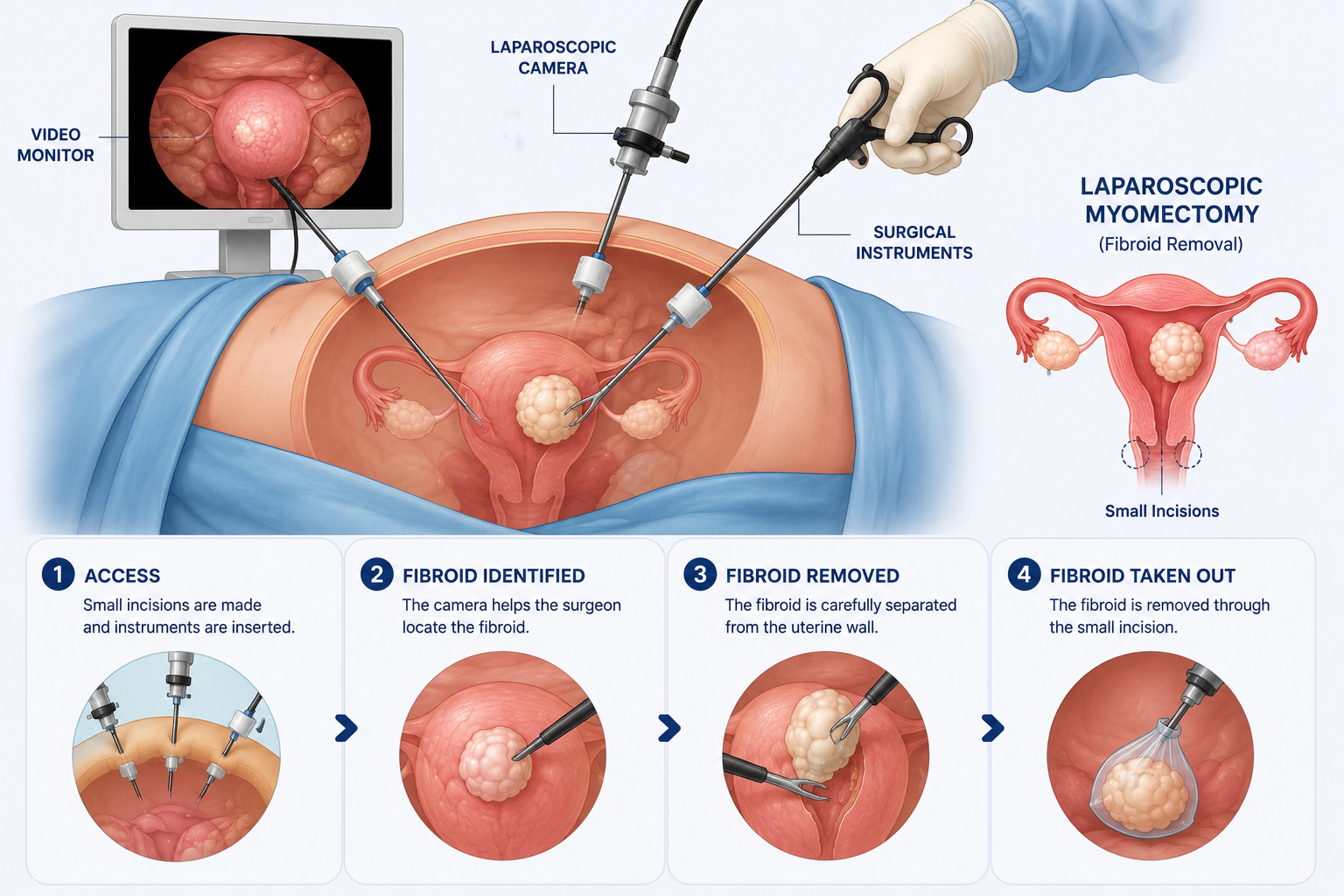
At Delhi IVF & Fertility Research Centre, our team combines advanced gynaecological expertise with over three decades of fertility experience. Since 1993, we have delivered 25,000-plus babies for couples from India and 66 countries worldwide. Under the leadership of Dr. Anoop Gupta, our specialists take a personalised approach to fibroid care, particularly when fertility preservation matters. From advanced ultrasound imaging to laparoscopic myomectomy and IVF, we offer the full continuum of care under one roof.

