
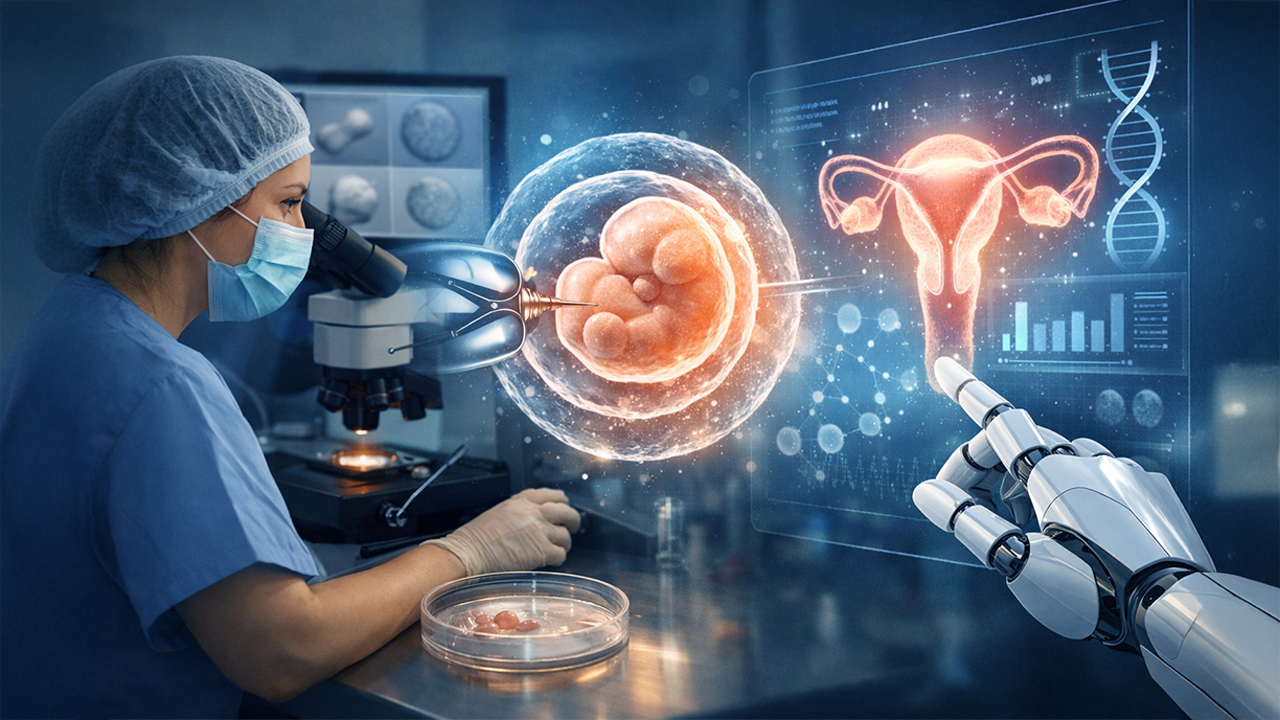
The ultimate solution that many infertile couples look for is IVF. IVF is not only a hope for them, but it’s also a belief of doctors that have been doing wonders in bringing lives, due to the advancements made in medical science. We all know that miracles don’t happen overnight. Similarly, the success rates of IVF have increased with time. When IVF was first introduced, its success rate was about 20%. Over the years due to medical and technological advancement, the overall IVF success rate has grown to over 60%.
In the traditional method of IVF, AI (Artificial Intelligence) had no role to play, but in today’s time, AI has taken over, and it has become one of the most essential solutions to treat infertility during IVF. However, the IVF success rate by using AI selected embryos has resulted in an implantation rate of 73.6%. Studies have demonstrated that AI algorithms outperform human embryologists in accuracy.
Process of IVF
IVF (In Vitro Fertilization) is a process where eggs and sperms from female and male partners are collected and combined in a lab for fertilization to take place. IVF treatment is a procedure that takes place under the observation of experts and with proper monitoring the growth of embryo is evaluated, before transferring it into the uterus of the female.
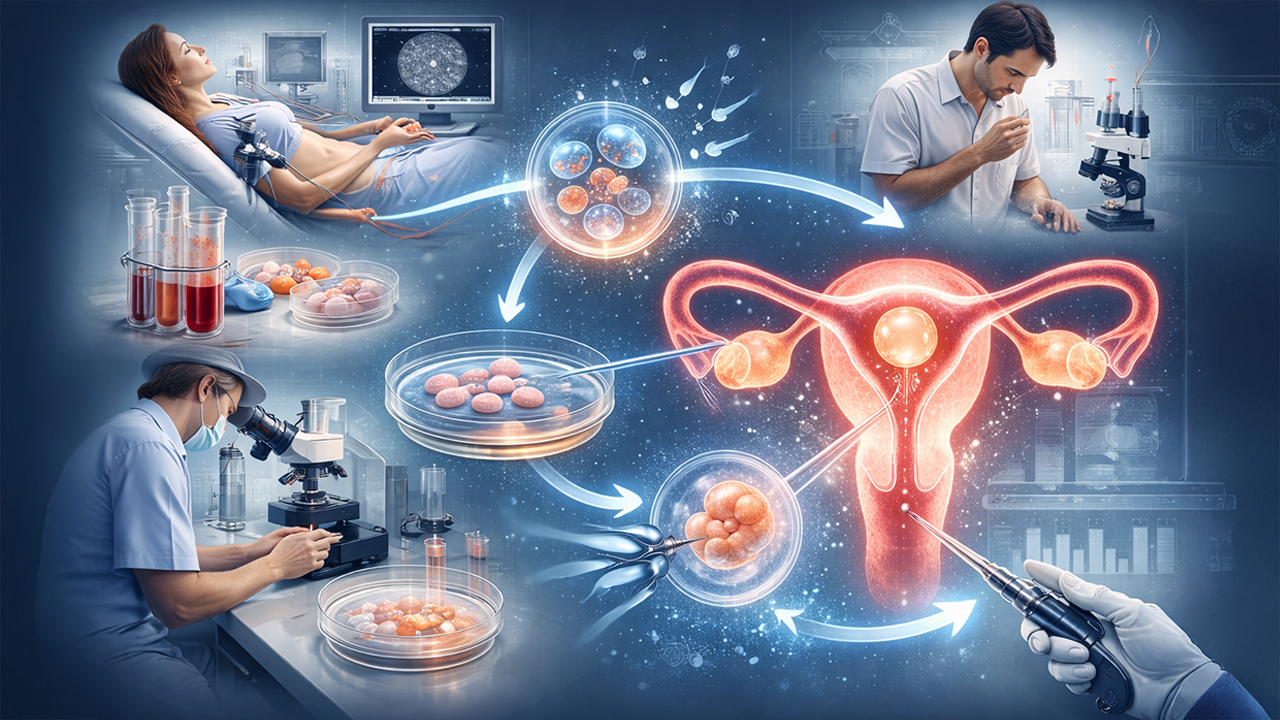
Major Steps for IVF Procedure:
1. Ovarian stimulation: Hormone medication through injections is given to stimulate ovaries to produce more than one egg per cycle. The development of eggs is monitored through regular doctor visits and ultrasounds.
2. Egg Retrieval: After eggs maturation, they are retrieved from the ovary with the help of a needle guided by ultrasound. This process is performed under light sedation.
3. Sperm Collection: A semen sample is collected from the male or frozen sperms are taken from the labs, followed by fertilization.
4. Fertilization: After successful egg retrieval and sperm collection, sperms are combined with eggs in a lab, or a single sperm is directly injected into an egg (Intra Cytoplasmic Sperm Injection or ICSI).
5. Embryo Culture: Fertilized eggs are placed in a special culture dish, and they are allowed to grow for 3-5 days, until they reach the blastocyst stage.
6. Embryo Transfer: A healthy embryo is selected and transferred into the woman's uterus using a thin tube.
In all the above-mentioned steps, continuous analysis or evaluation is indispensable and that has become possible with the advances of artificial intelligence. Hence, AI is of great assistance in the success of IVF pregnancy. Further advancements are likely in areas including patient-specific treatment regimen, improved gamete, and embryo selection, as well as improving endometrial receptivity and management of early pregnancy.
Key Role of AI in IVF
1.Embryo Selection
To determine viability of the embryo, fertility specialists are totally dependent on AI, and they no longer pay extra effort to check the embryo's quality themselves. AI analyze time-lapse videos and images detecting embryo quality, predicting implantation potential, and morphological features, i.e. an AI assistant can pull comparable images from hundreds to thousands of embryos. Healthy embryos with their peak implantation potential are then allowed to enter the female uterus for its future development. Such computational analyses are also required for scoring and predicting iDAscore to rank predicting viability, ploidy, risk of miscarriage, and guiding selection for transfer.
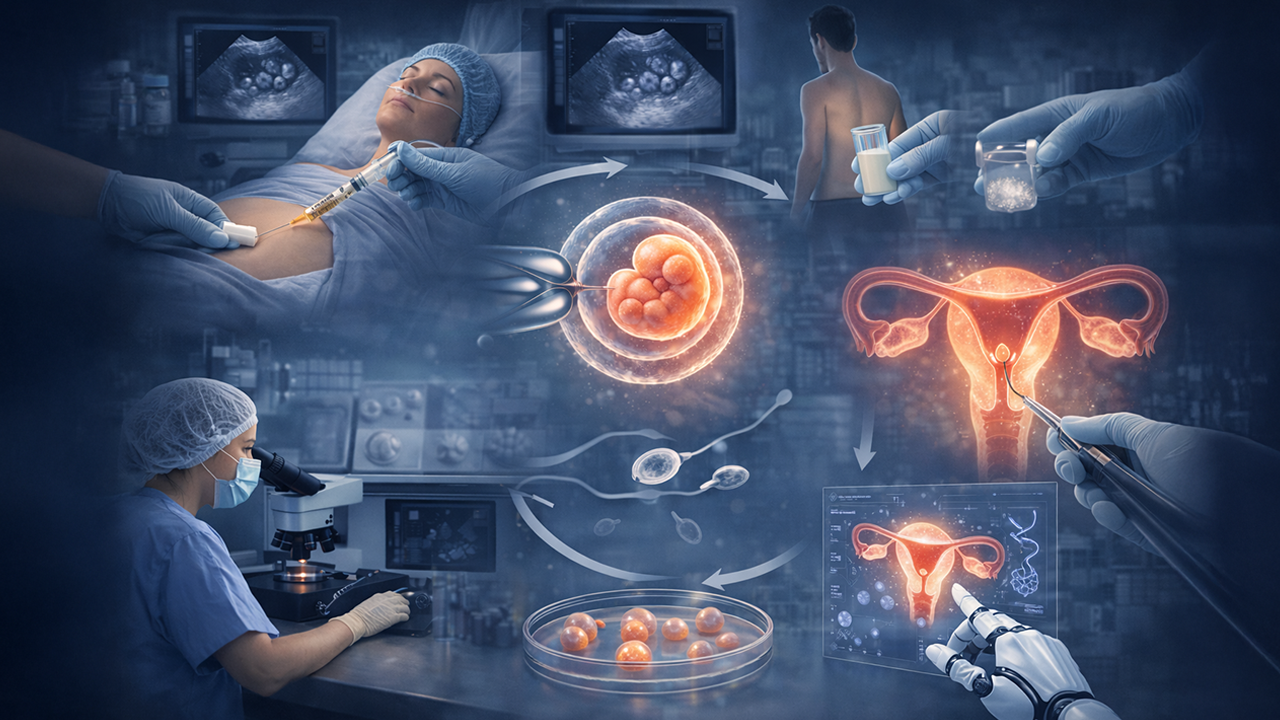
2. Hormone Monitoring
AI offers an advanced solution in monitoring the fluctuation of hormones in real time. It helps doctors to analyze real time patient data (hormone levels, follicle size, age) to provide personalized care and advice of drug dosage, predict outcomes, and improve success by reducing errors, minimizing side effects like hyperstimulation, and enabling data-driven, customized treatment plans for better egg retrieval and embryo development. It significantly boosts the chance of successful egg retrieval and embryo implantation.
3. Semen Analysis
Computer aided systems are required to automate objective assessment of sperm analysis, motility, and morphology, for more accurate and faster results. It reduces the risk of incorrect reports and diagnoses.
4. Personalized Protocols
AI driven data analyze vast number of patients including their genetic and hormonal history and customized treatment plans are designed for every individual patient. Every affective care plan increases the likelihood of successful pregnancy.
5. Lab Efficiency
AI driven system monitors culture condition like lab monitoring, temperature and humidity and reduces manual errors in the lab.
Incorporating AI in Delhi IVF centres has resulted in higher success rates of pregnancy. IVF usually follows a process of multiple cycles, and this is the ultimate reason for cost rising. However, AI-enabled procedures typically result in fewer cycles while still increasing chances of success, resulting in a lower overall cost of IVF in Delhi. AI driven systems in Delhi IVF fertility and Research Centre results in successful deliveries with our advanced treatment in India and all-inclusive infertility solution with a global reach, we are India’s top fertility centre. Delhi IVF is the Best IVF Centre in delhi with all the advanced reproductive technologies and best IVF specialists in Delhi, has become a leading destination for couples facing infertility issues.

