

A penile yeast infection, also called candida balanitis or a male yeast infection, is a fungal infection of the head of the penis caused by an overgrowth of a yeast called Candida. It typically causes redness, itching, burning, and a white discharge under the foreskin, and in most cases, it clears up quickly with antifungal treatment and good hygiene.
Yeast infections are often thought of as a woman's problem, but men get them too. The good news is that a penile yeast infection is common, treatable, and usually not serious when addressed early. In this guide, the specialists at Delhi IVF & Fertility Research Centre explain the symptoms, causes, treatment options, and prevention of male yeast infections, along with the warning signs that mean you should see a doctor.
What is a Penile Yeast Infection?
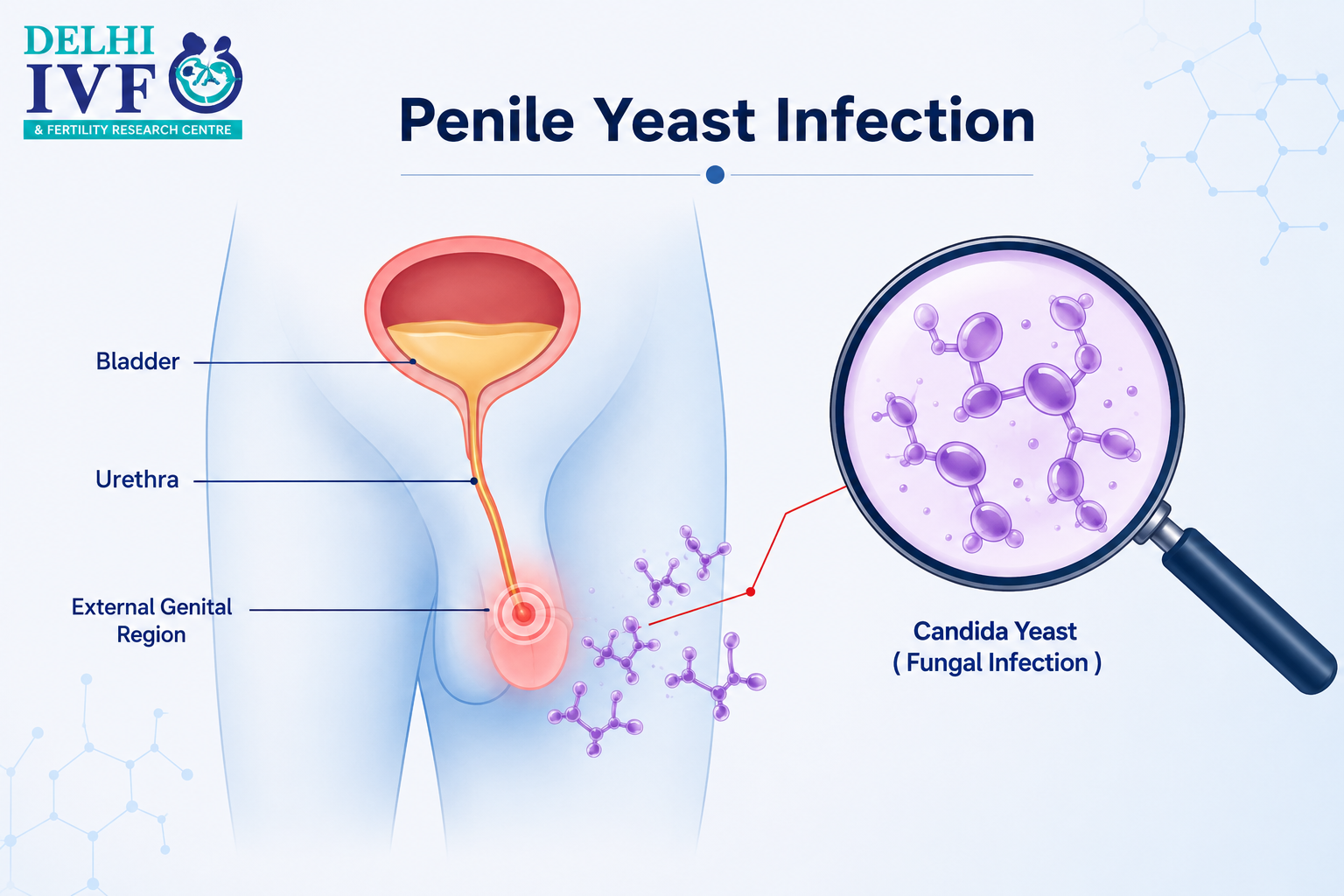
A penile yeast infection is a fungal infection that develops on the glans, the head of the penis, when the naturally occurring yeast Candida albicans grows out of control. The same fungus causes vaginal yeast infections in women.
When the infection affects only the head of the penis, doctors call it balanitis. When it involves both the head and the foreskin, it is called balanoposthitis. Candida thrives in warm, moist environments, which is why the area under the foreskin in uncircumcised men is a common site. Although the condition can feel embarrassing, it is a routine medical issue that a doctor can diagnose and treat easily.
Symptoms of a Penile Yeast Infection
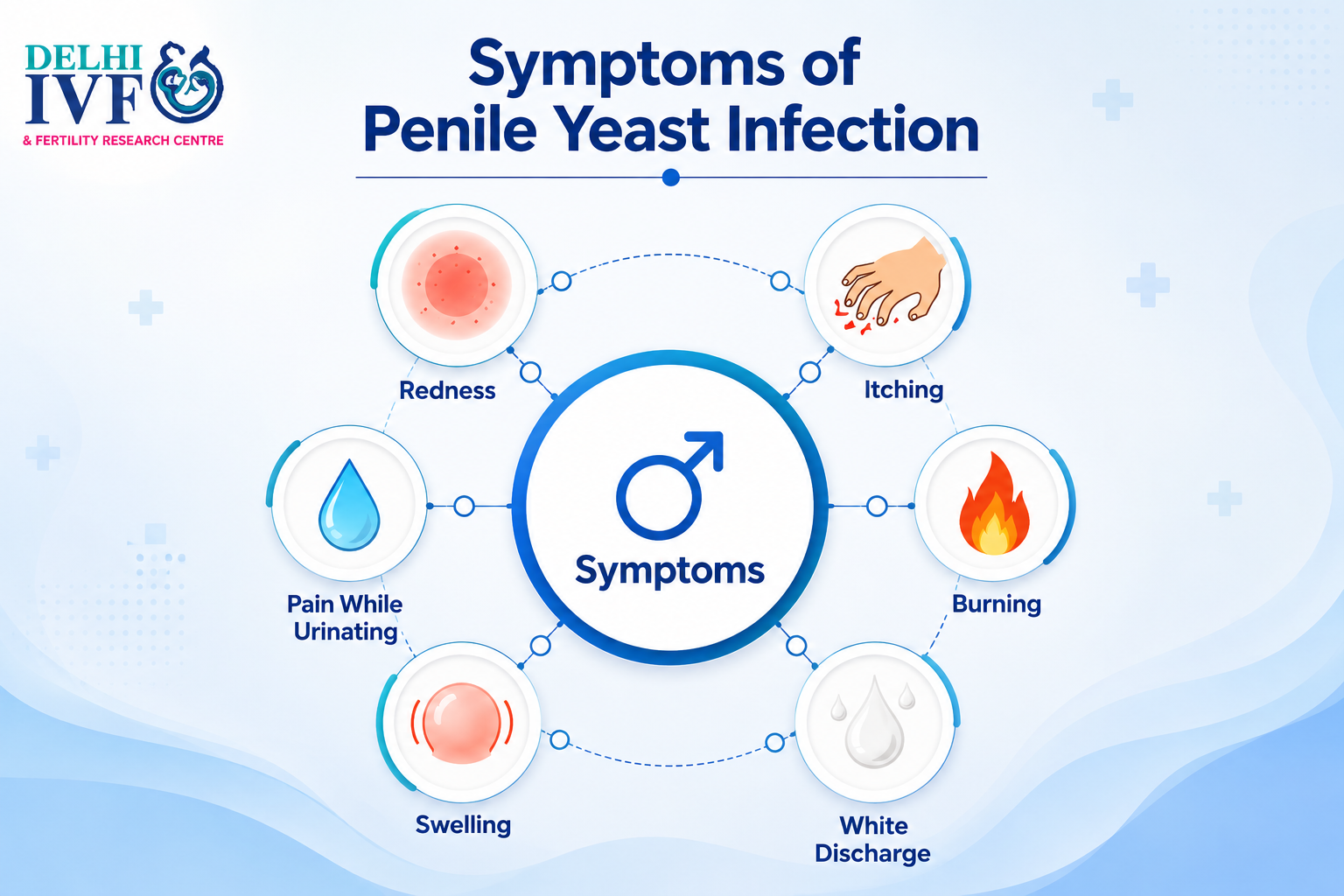
Penile yeast infection symptoms can range from mild irritation to noticeable inflammation. The most common signs include:
- Redness or a shiny, inflamed rash on the head of the penis
- Itching, burning, or general irritation around the glans
- A thick, white, lumpy discharge under the foreskin, sometimes with an unpleasant odour
- Swelling of the head of the penis or the foreskin
- Pain or discomfort during urination
- Pain or a burning feeling during sex
- Dry, cracked, or flaky skin on the penis
- Difficulty pulling back the foreskin in more advanced cases
In uncircumcised men, symptoms are often more pronounced because moisture and discharge become trapped under the foreskin. If symptoms are severe, spreading, or accompanied by ulcers, foul-smelling discharge, or blood in the urine, you should see a doctor promptly, as these can signal a more serious infection.
What Causes a Penile Yeast Infection?
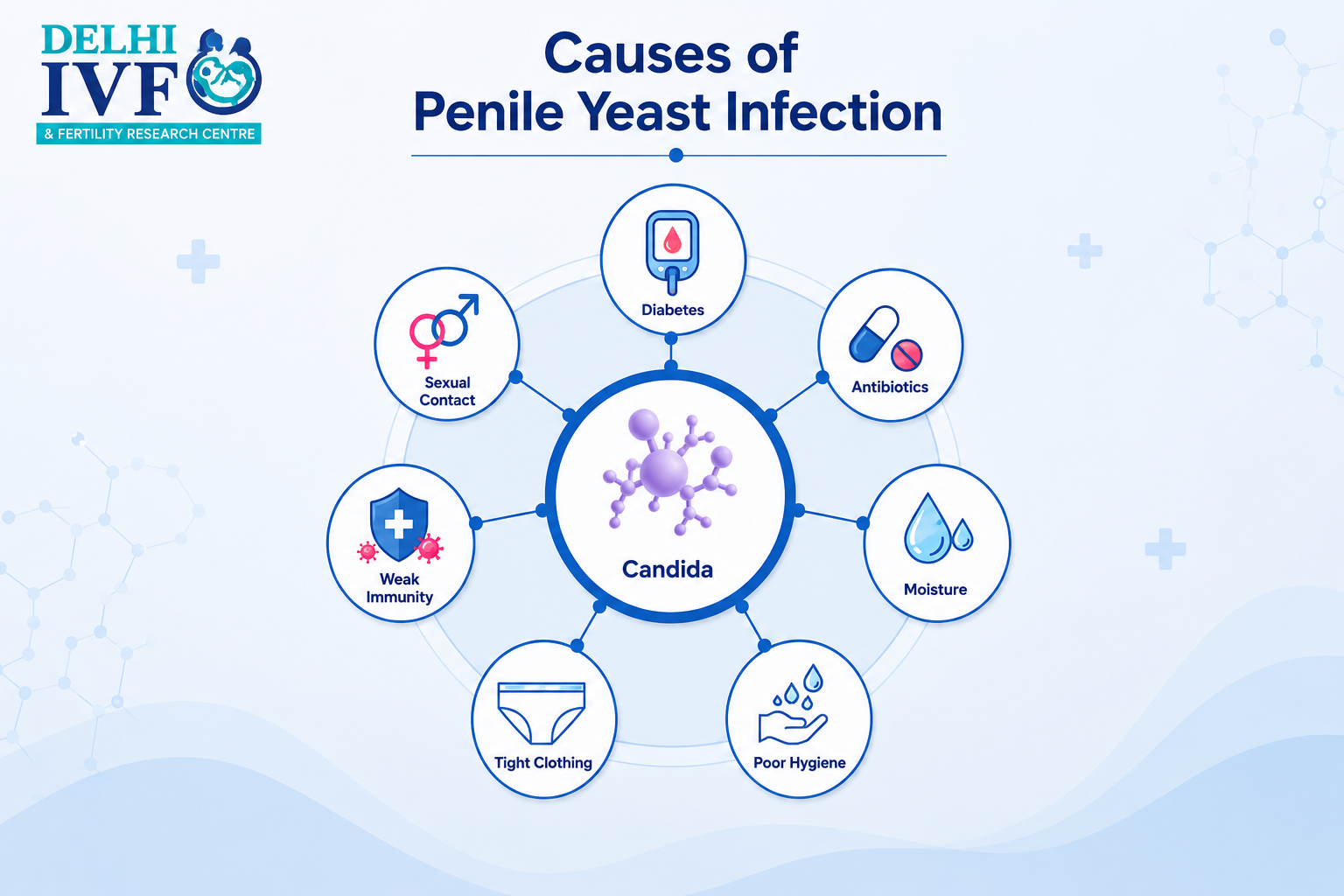
A small amount of Candida lives harmlessly on the skin. A yeast infection develops when something allows it to multiply. Common causes and risk factors include:
- Unprotected sex with an infected partner: Having sex with a partner who has a vaginal yeast infection can pass Candida to you.
- Poor genital hygiene: Not cleaning and drying the area properly creates the warm, moist conditions yeast loves.
- Being uncircumcised: A foreskin can trap moisture and discharge, raising the risk.
- Uncontrolled diabetes: High blood sugar feeds yeast growth, so recurring infections can be an early clue to diabetes.
- Antibiotic use: Antibiotics can disturb the natural balance of bacteria and yeast on the skin.
- A weakened immune system: Illness, certain medications, or conditions that lower immunity make infection more likely.
- Moisture and friction: Sweaty workout clothes, wet swimwear, tight underwear, and obesity all create favourable conditions.
Understanding your personal risk factors matters because treating the infection without addressing the cause often leads to it coming back.
Is a Penile Yeast Infection an STD?
This is one of the most common and important questions, so let us be clear. A penile yeast infection is not classed as a sexually transmitted disease. Candida is naturally present on the body, and most infections are caused by overgrowth rather than sexual transmission.
That said, the infection can be passed back and forth between sexual partners. If your partner has an active yeast infection, you can catch it, and you can pass it to them. This is why doctors often recommend that both partners are treated and that you avoid sex until the infection has cleared.
It is also important to know that penile yeast infection symptoms overlap with several sexually transmitted infections (STIs) and other skin conditions. Because of this overlap, self-diagnosis can be unreliable, and a proper medical assessment is the safest way to confirm what you are dealing with.
How is a Penile Yeast Infection Diagnosed?
A doctor can usually diagnose a male yeast infection by examining the affected area and asking about your symptoms and risk factors. In some cases, they may take a swab of the discharge or skin to confirm Candida and rule out STIs or bacterial infections. If you have recurring infections, your doctor may also check your blood sugar to screen for diabetes.
Penile Yeast Infection Treatment
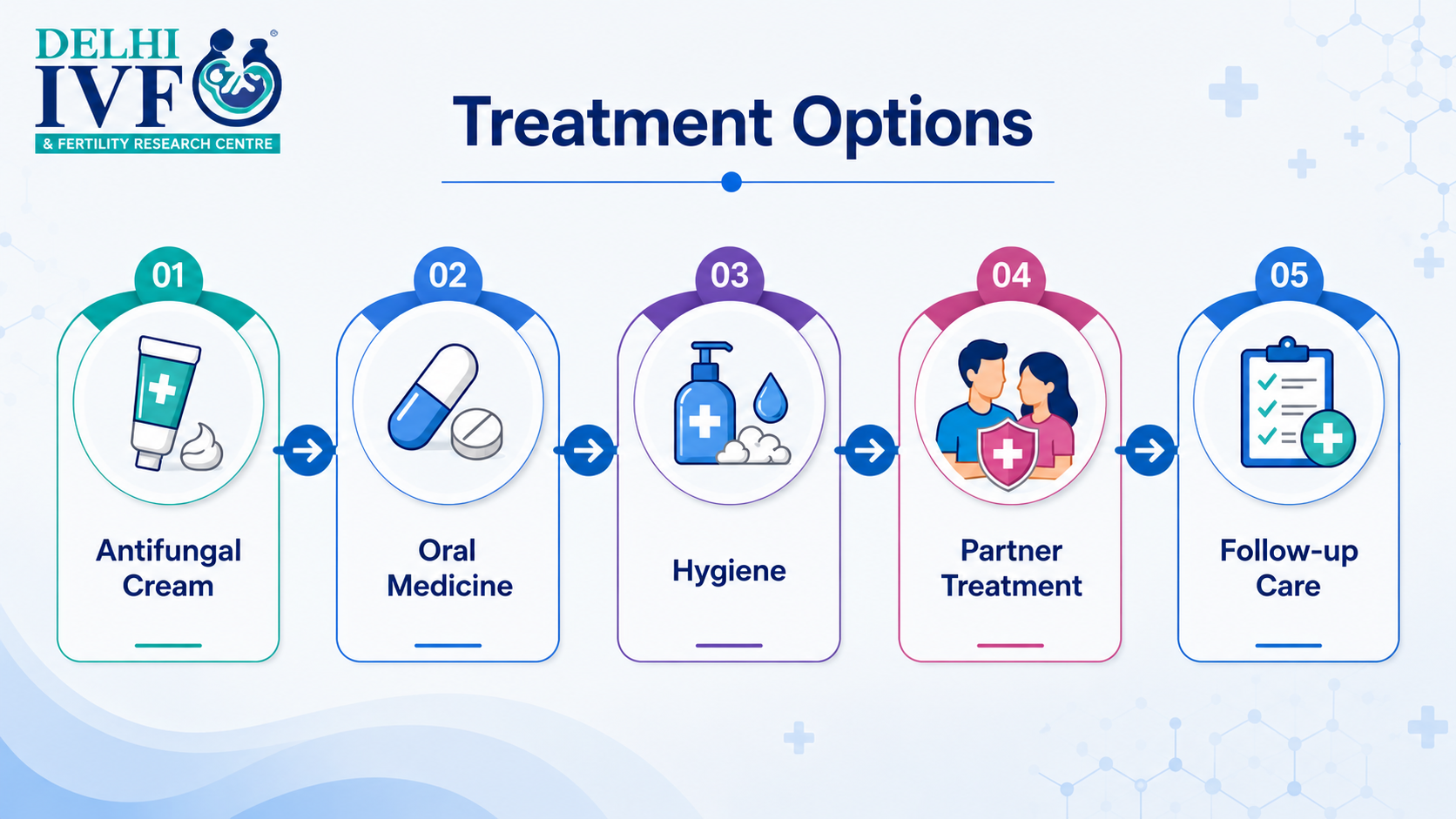
The good news is that treatment is straightforward and effective for most men. A mild infection often clears within one to two weeks. Common treatment options include the following.
Topical antifungal creams
The first-line treatment is usually an antifungal cream applied directly to the affected skin. Commonly used options include clotrimazole, miconazole, and nystatin. Many topical antifungals are available over the counter, but it is best to use them on the advice of a pharmacist or doctor, especially for genital skin.
Oral antifungal medication
If the infection is more severe, persistent, or keeps coming back, a doctor may prescribe an oral antifungal such as fluconazole. Oral medication is taken under medical guidance and is not something to start on your own.
Steroid cream for inflammation
In some cases, a doctor may recommend a mild steroid cream alongside the antifungal to calm severe itching and inflammation. This should only be used when prescribed.
Treating your partner
If your sexual partner has symptoms of a yeast infection, they should be treated at the same time. This prevents the two of you from passing the infection back and forth.
Hygiene and self-care
Keeping the groin area clean and dry is a key part of treatment. Wash gently, dry thoroughly, and avoid sex during the treatment period so the area can heal.
A note of caution on home remedies: while keeping the area clean and dry genuinely helps, unproven home remedies should never replace proper antifungal treatment. If symptoms do not improve within a few days, see a doctor rather than continuing to self-treat.
How to Prevent a Penile Yeast Infection
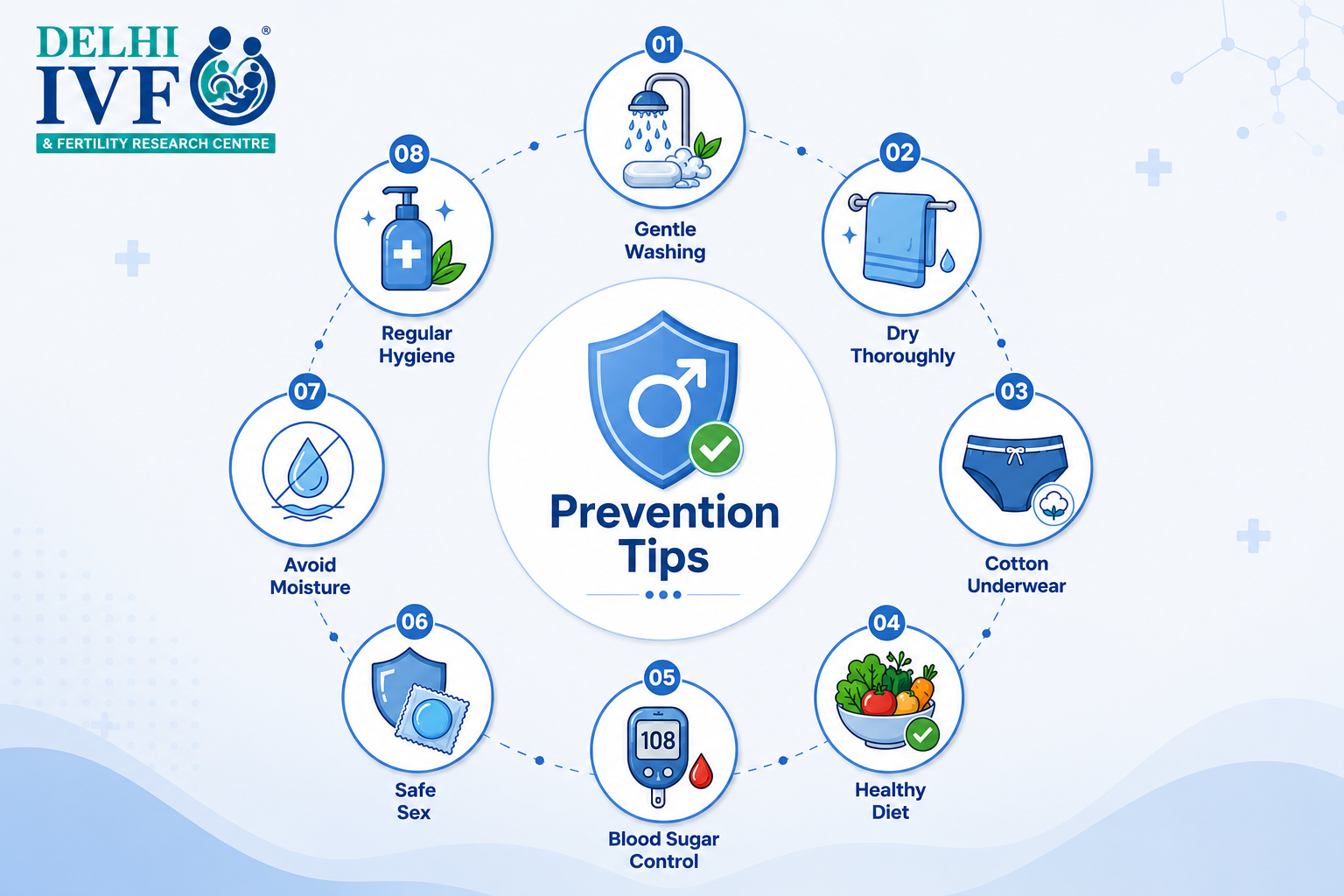
Most male yeast infections can be prevented with a few simple habits:
- Wash the penis and groin regularly with warm water and a gentle, fragrance-free cleanser
- Dry the area thoroughly after washing or showering, especially under the foreskin
- Wear loose-fitting, breathable cotton underwear
- Change out of sweaty gym clothes or wet swimwear promptly
- Use condoms, particularly if a partner has a yeast infection
- Manage your blood sugar carefully if you have diabetes
- Avoid scented soaps and shower gels on the genital area
Recurring Penile Yeast Infections
If you keep getting yeast infections despite good hygiene and treatment, it is worth investigating an underlying cause. Uncontrolled diabetes is one of the most common reasons for recurrent male yeast infections, so a blood sugar check is sensible. In some men with a tight foreskin and repeated infections, a doctor may discuss circumcision as a longer-term solution. Persistent or recurrent symptoms always deserve a proper medical review rather than repeated self-treatment.
When to See a Doctor
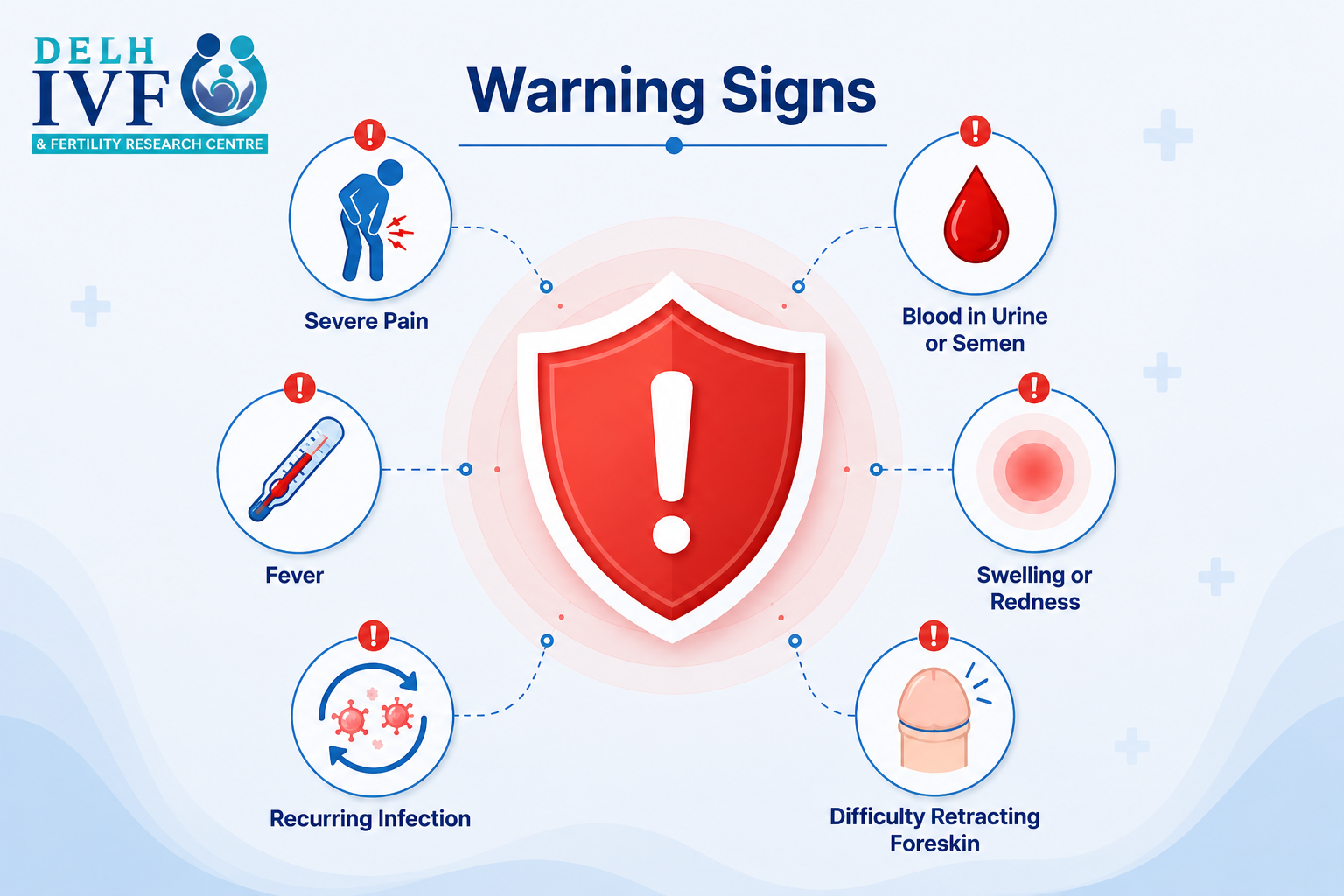
Most penile yeast infections are mild, but you should see a doctor if you experience any of the following:
- Symptoms that do not improve within a few days of self-care
- Severe pain, swelling, or spreading redness
- Fever, or feeling generally unwell
- Foul-smelling discharge, ulcers, or sores
- Blood in the urine or semen
- Difficulty pulling back the foreskin
- Repeated or recurring infections
These signs can point to a more serious or different infection that needs targeted treatment. Seeking timely care prevents complications and gives you the fastest, safest recovery.
Penile Health and Male Fertility
Looking after your genital and reproductive health is an important part of overall wellbeing. While a one-off yeast infection is rarely a cause for concern, persistent or untreated infections, inflammation, and underlying conditions such as diabetes can affect comfort, confidence, and in some cases, reproductive health. If you have ongoing concerns about your sexual or reproductive health, it is worth speaking to a specialist.
At Delhi IVF & Fertility Research Centre, our team, led by Dr. Anoop Gupta, supports men with a wide range of reproductive health concerns, including male infertility. If you have questions about persistent infections, fertility, or men's reproductive health, our specialists can offer clear, confidential guidance.

