
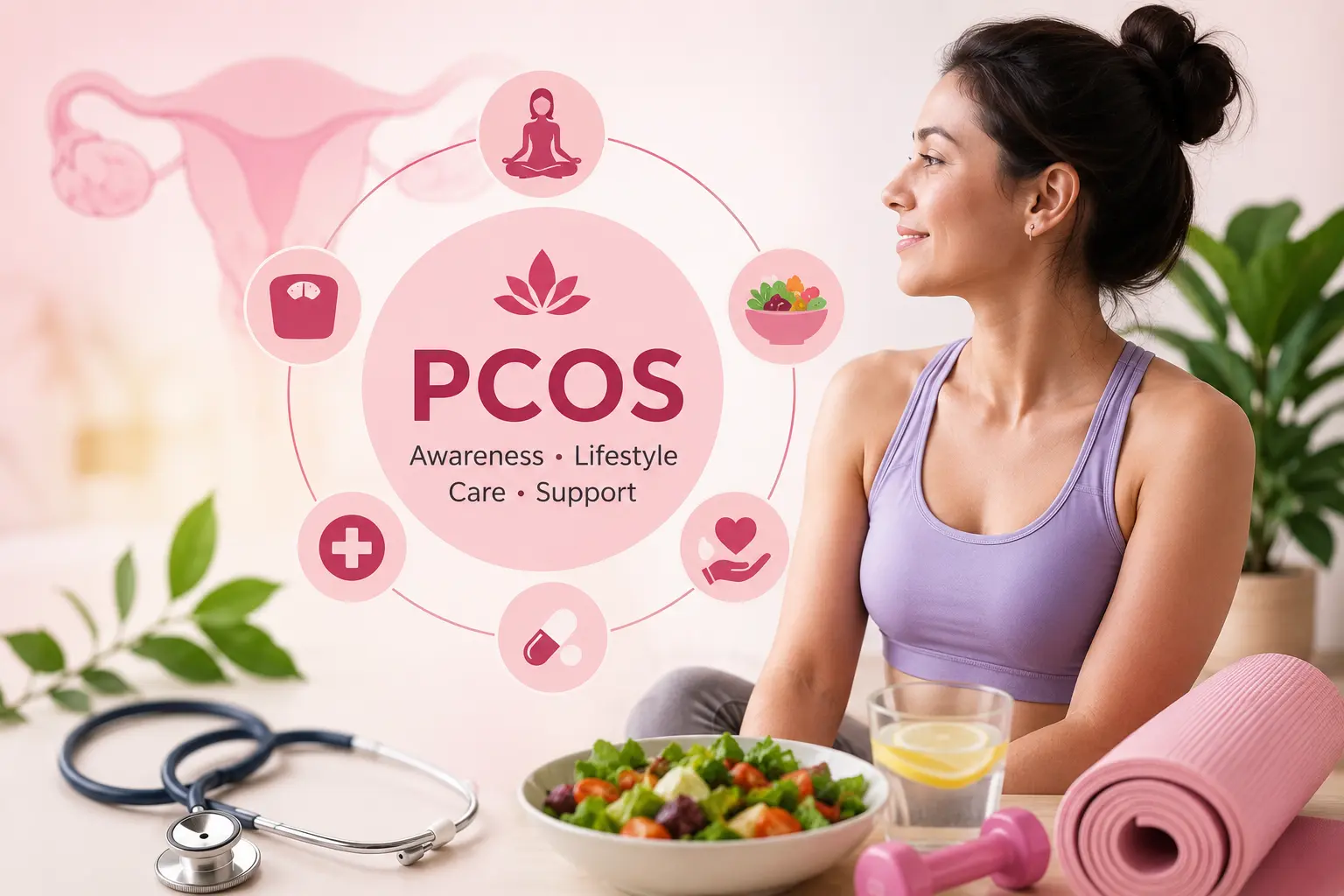
Excess of anything is harmful. This is a very well-known phrase and this goes for every individual. If we feed excess food to ourselves, then it might result in unhealthy outcomes. However, it is vice versa, and if our body also releases useful chemicals or hormones in excess, then it’s no longer a boon to our health. One such hormonal disorder that affects females in their reproductive age is Polycystic ovary syndrome (PCOS). During PCOS, our ovaries produce high levels of androgen hormones leading to hormonal imbalance in the body that will ultimately cause irregular periods, acne, unwanted hair growth, and female infertility with risks for insulin resistance, diabetes, heart disease, and depression.
Why is PCOS a Metabolic Syndrome?
Metabolic syndrome is a cluster of biochemical and psychological abnormalities associated with the development of cardiovascular disease and type 2 diabetes. PCOS is increasingly recognized as a metabolic disorder, as it is strongly linked to
- Insulin Resistance: Inability of the body to respond to insulin, leading to higher insulin levels (hyperinsulinemia) that disrupts ovulation.
- Associated Conditions: PCOS increases the risk for other metabolic issues like non-alcoholic fatty liver disease (NAFLD), dyslipidemia (abnormal fats in blood), and sleep apnea.
- PCOS Disease: PCOS can also contribute to conditions such as Type 2 Diabetes, heart disease, and certain cancers, highlighting its profound metabolic impact.
Most females get PCOS anytime after they hit puberty, and many others are diagnosed with this disease in their late 20’s and 30’s when they try to conceive.
PCOS Causes
The most common cause of PCOS is insulin resistance. When the body doesn’t utilize enough insulin it causes pancreas to make more insulin which prompts ovaries to produce more androgens. Due to high levels of androgen, the ovulation cycle is disturbed causing irregular periods. Other causes of PCOS are
Genetic: If the family has a historical record of PCOS, then the risks of developing PCOS genetically intensify.
Brain/Gland Issues: If there are some problems in the brain or glands controlling hormones, then it can be one of the major factors of PCOS.
Inflammation: Inflammation in PCOS leads to low-grade chronic immune response causing the body to release excess inflammatory signals (cytokines), indirectly leading to insulin resistance and high androgen levels.
Symptoms of PCOS
- Irregular Period: High level of androgen during PCOS prevents ovaries from releasing eggs resulting in irregular menstrual cycle. A small, fluid-filled sac develops on the ovaries during irregular periods. You can either have missing periods or no period at all or you might experience heavy bleeding during your periods.
- Abnormal Hair Growth: About 70% of people with PCOS grow excess facial hair growth and heavy hair growth on your arms, chest and abdomen.
- Obesity: About 40-80% of people gain excess weight and become obese and losing PCOS weight becomes a task for them.
- Thinning Hair: Many people with PCOS start to lose patches of hair on their head and develop baldness.
- Acne: Even after your teenage years you can get acne specially appearing on your back, chest and abdomen and it becomes difficult to treat.
- Infertility: PCOS is one of the major reasons why mostly females develop infertility. Not ovulating regularly or frequently can result in infertility.
PCOS Treatment
Hormonal Birth Control: Hormonal birth control includes birth control pills, patches, shots, a vaginal ring and an intrauterine device (IUD). These will regulate irregular menstrual cycles, and some forms will also improve acne and help with excess hair growth.
Insulin-sensitizing Medicine: A diabetic drug called Metformin improves insulin sensitivity, which can regulate periods and reduce androgens.
Anti-androgen Medication: Anti-androgens like Spironolactone and topical creams like Eflornithine can be used to block male hormones. This can also help control acne and excess hair growth.
Drugs to Induce Ovulation: Certain drugs (clomiphene, letrozole and gonadotropin) are used in people with PCOS to begin ovulation that results in pregnancy. Clomiphene and letrozole are taken orally, while gonadotropins are injected.
Surgery: Androgen-releasing tissues can be removed from your ovaries by surgery. With newer medications available, surgeons rarely perform this procedure.
IVF (In Vitro Fertilization): When medication fails to help you with ovulation. Your fertility counsellor will carry the fertilization process in a lab by using your and your partner's gametes.
1. Certain medications prescribed by the doctor during PCOS
- Metformin: It resists insulin and regulates periods.
- Hormonal Birth Control (Combined Oral Contraceptives): It reduces androgen level and regulates cycles.
- Anti-Androgens (Spironolactone): It blocks the effect of male hormones and treats hair growth.
- Fertility Drugs (Clomiphene, Letrozole): It stimulates ovulation.
2. Other Therapies include
- Insulin Sensitizers
- Vitamin D
- GLP-1 Agonist
PCOS Management
IVF (In Vitro Fertilization) is an effective medical treatment where eggs and sperm are fertilized in a lab for the couple who can't conceive naturally.
IVF is one of the treatments that help to conceive a baby despite you being infertile that might be caused by PCOS. However, management of PCOS mostly involves changes that one must include in their lifestyle. The following are the PCOS management tips
- Weight Management: Modest weight loss up to 5% significantly improves symptoms and insulin sensitivity.
- Balanced Diet: Managing PCOS requires a meal that includes all the nutrients in a balanced form. PCOS diet majorly focuses on whole foods, lean proteins, healthy fats, fruits, vegetables, and whole grains. In order to avoid blood sugar spikes, one must consume complex carbs like vegetables, fruits and whole grains. This diet can also be added to your meal during PCOS treatment.
- Regular Exercise: Regular exercise for PCOS improves insulin sensitivity, helps control weight, and regulates ovulation.
Delhi IVF, one of the Best Ivf Centre in Delhi is the preferred destination for many infertile couples to build a new hope for themselves. Our fertility experts with more than 34 years of experience have helped many patients who visit with the complaint of not conceiving naturally through the best fertility treatment or solutions.

