
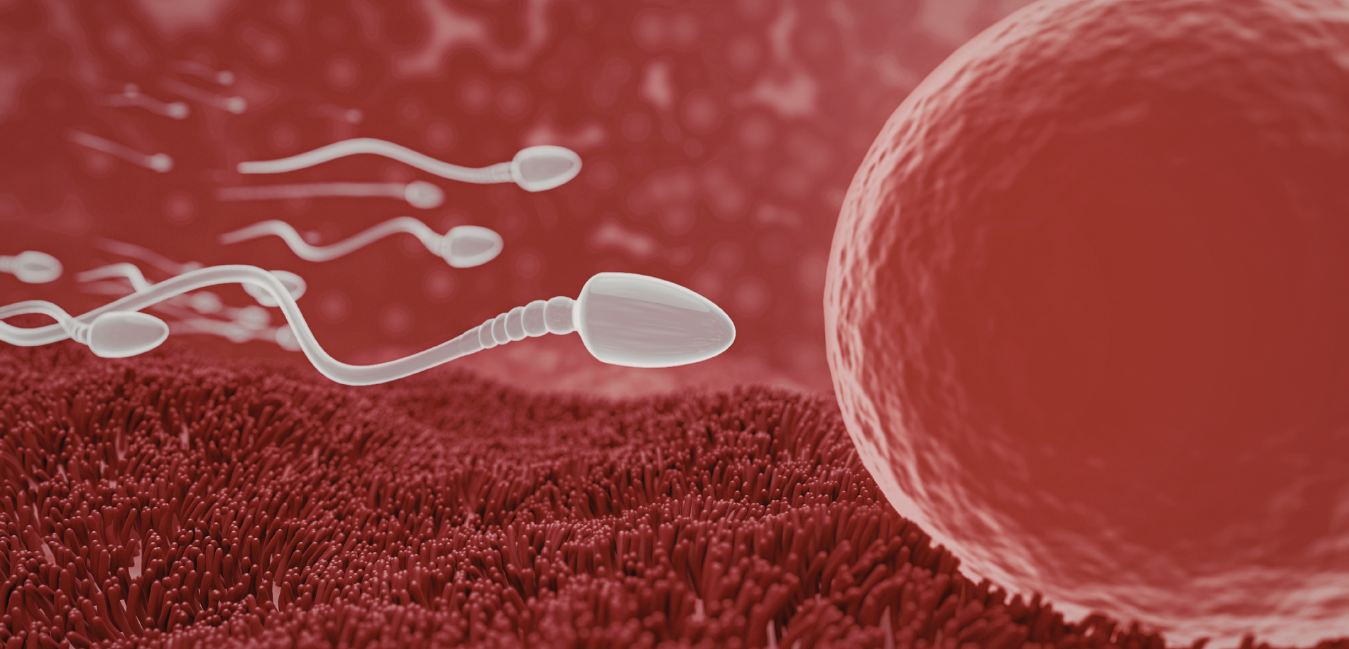
If you’re trying to conceive, you may find yourself encountering medical terms that were once unfamiliar. Concepts like ‘fertility treatment,’ ‘sperm survival,’ and ‘ovulation’ become part of daily discussions.
While the process may seem overwhelming, understanding these terms can provide crucial insights into conception planning. This article explores an essential aspect of fertility in males: how long sperm survive in the female body. Knowing this can significantly influence pregnancy planning and the timing of intercourse.
How Long Does Sperm Survive Inside the Female Body?
A common misconception is that sperm have a short lifespan. Research shows that sperm typically survive for about three days within the female reproductive system. However, under optimal conditions, such as around ovulation, healthy sperm may persist for up to five days.
Cervical mucus consistency plays a vital role. During ovulation, hormonal changes modify cervical mucus, creating an environment conducive to sperm survival by preventing dehydration. Instead of its usual opaque texture, the mucus becomes thinner, aiding sperm movement and protection.
Additionally, the cervix contains crypts, tiny channels within the cervical canal that temporarily store sperm. This mechanism increases the chances of fertilisation by gradually releasing sperm over time.
Consequently, a woman’s ‘fertile window’ extends up to five days before ovulation. This means conception can occur even if intercourse happens days before ovulation, making precise timing difficult but crucial for pregnancy planning.
How Long Does Sperm Survive Outside the Female Body?
Sperm lifespan outside the body depends on environmental factors. In favourable conditions, sperm may remain viable for 15 to 30 minutes. However, on dry surfaces like clothing or furniture, they perish quickly due to dehydration. On moist or warm surfaces, such as skin or a hot tub, sperm survive slightly longer.
If sperm are collected through medical extraction procedures like micro surgical testicular sperm extraction (micrometer) and preserved under controlled conditions, they can remain viable for extended periods through freezing sperm.
How Long Can Sperm Survive When Frozen?
Sperm freezing maintains its quality, whether for short-term or long-term storage. Cryopreservation involves using liquid nitrogen at -196°C, rather than refrigeration.
A study evaluating over 119,000 donor sperm samples found that: delhi-ivf.com
- Sperm survival remained unaffected for up to five years.
- After five years, survival rates slightly decreased (from 86% to 74% over 15 years).
- Birth rates from frozen sperm showed minimal variation, with an 82% success rate for sperm stored up to five years and 80% for sperm stored for 6-15 years.
Thus, extended cryopreservation has minimal impact on sperm viability.
How Many Sperms Are Required for Pregnancy?
Although only one sperm is needed to fertilise an egg, millions are released during ejaculation. The journey to fertilisation is challenging, with only a fraction of sperm reaching the Fallopian tubes. Experts believe this natural selection process ensures only the healthiest sperm fertilises the egg, increasing the chances of a successful pregnancy. Out of approximately 100 million sperm released, only about 100,000 reach the uterus, emphasising the importance of sperm quantity in conception.
Factors Affecting Sperm Lifespan of Sperm
Several factors influence sperm survival within the female reproductive system:
- Vaginal pH Levels: The vaginal environment is typically acidic, but ovulation alters pH levels, making conditions more sperm-friendly.
- Cervical Mucus: During ovulation, mucus becomes thinner and more alkaline, promoting sperm survival.
- Sperm Health: Lifestyle choices, genetics, and environmental factors affect sperm viability.
- Female Reproductive Health: Hormonal imbalances and infections can impact sperm survival.
- Fertile Window: The most favourable period for sperm survival is five days leading up to and including ovulation.
How to Improve Sperm Health?
To enhance sperm health and increase male fertility, consider the following recommendations:
- Avoid smoking, as it damages sperm DNA and reduces count.
- Limit exposure to environmental toxins, such as pesticides and heavy metals.
- Refrain from anabolic steroids, which can impair sperm production.
- Reduce alcohol consumption to maintain healthy testosterone levels.
- Adopt a nutritious diet to support overall well-being.
- Avoid excessive heat exposure; opt for loose-fitting clothing and avoid prolonged hot baths.
Sperm’s ability to survive for up to five days inside the female body highlights the complexity of conception. Both male and female reproductive health play a crucial role in achieving pregnancy.
For individuals facing infertility challenges, advancements like IVF offer hope by leveraging a deeper understanding of sperm and egg interactions and also help by providing male & female fertility treatment. Educating oneself on these biological processes can empower couples on their journey to parenthood.

