
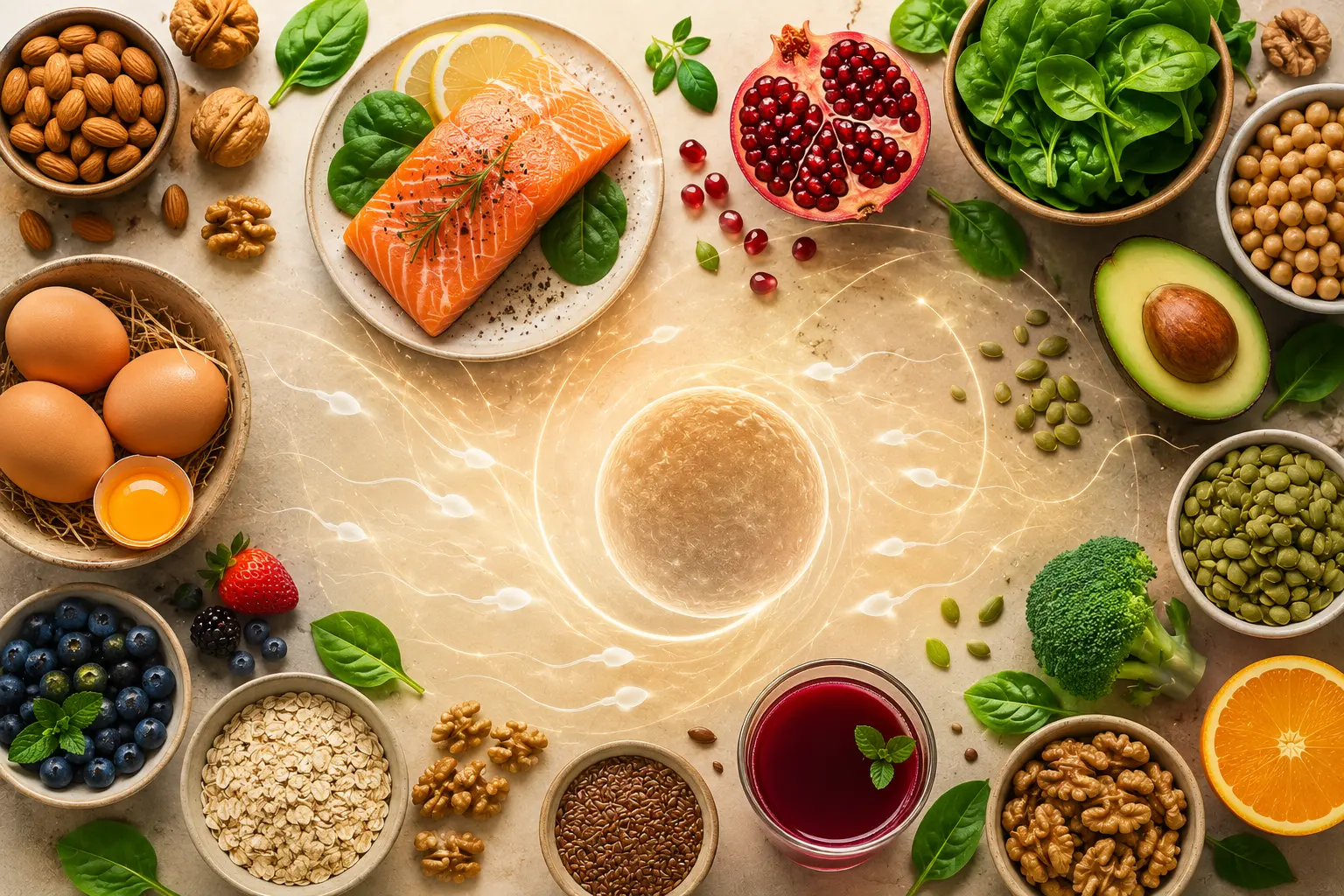
A low sperm count report can feel like a punch to the gut. But here is something most men do not know: what you eat has a direct impact on your sperm health.
The right foods can improve sperm count, motility, and quality over time. It is not an overnight fix. But it is one of the most practical steps you can take right now, even before or alongside medical treatment.
In this blog, the fertility specialists at Delhi IVF break down the best foods to increase sperm count and motility, what to avoid, a ready-to-use daily diet plan, and honest answers to the questions men ask most about sperm health.
How Does Diet Affect Sperm Count and Quality?
Here is a simple way to think about it.
Your body is a factory. Sperm are the product. And like any factory, the quality of what comes out depends entirely on the quality of what goes in.
Poor nutrition means poor raw materials. Poor raw materials mean fewer sperm. Weaker sperm. Damaged sperm.
Three nutrients do the heaviest lifting when it comes to sperm health:
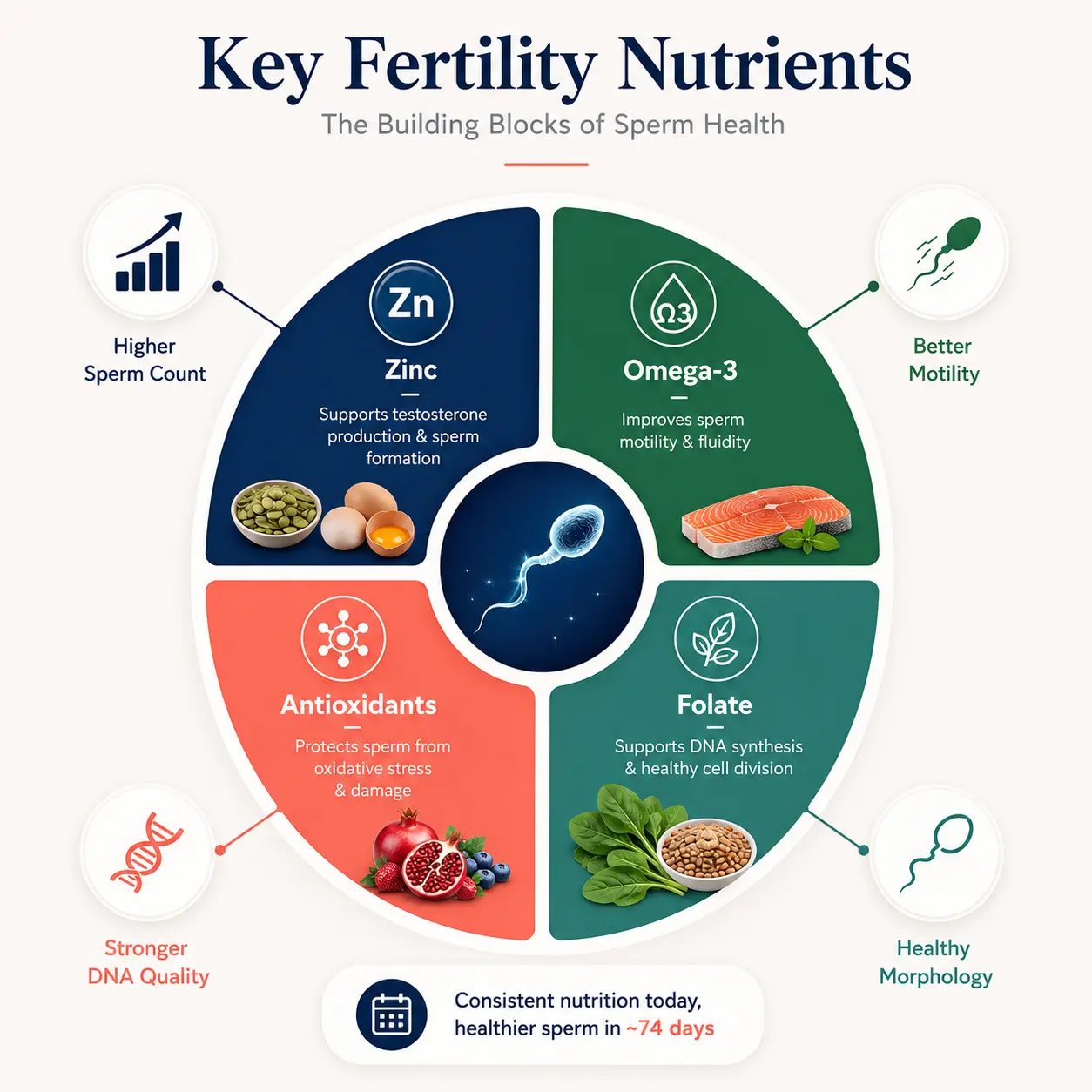
Antioxidants act like a shield. Every day, your cells are under attack from free radicals. These are unstable molecules that damage cell membranes and DNA. Sperm cells are especially vulnerable. Antioxidants from fruits and vegetables neutralise free radicals before they cause harm.
Zinc is the building block. It supports testosterone production and is directly involved in forming sperm cells. Think of zinc as the steel in the factory. Without it, nothing gets built properly.
Folate (Vitamin B9) is the blueprint. It affects the DNA inside each sperm cell. Low folate means higher chances of chromosomal errors in sperm. And chromosomal errors affect fertilisation.
Foods that increase sperm count include eggs, pumpkin seeds, walnuts, spinach, pomegranate, fatty fish like salmon, and citrus fruits. These foods are packed with zinc, omega-3 fatty acids, folate, and antioxidants. Together, they support sperm production, protect sperm DNA, and improve sperm movement.
One important fact to carry through this entire article: sperm take about 74 days to fully mature. That is roughly two and a half months. Dietary changes you make today will not show up in a semen analysis next week. But make those changes consistently? Your report in three months will tell a different story.
Best Foods to Increase Sperm Count and Motility
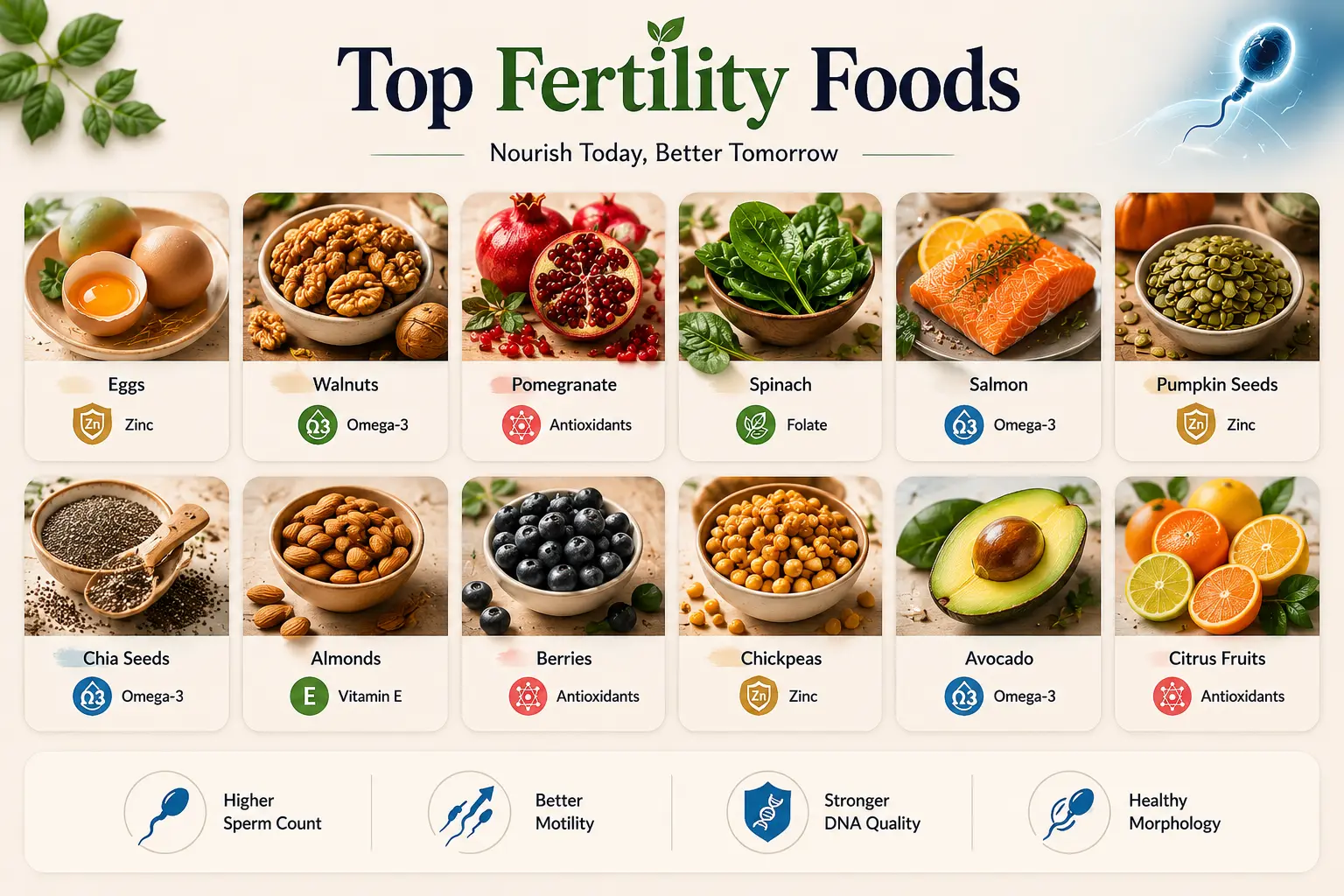
Zinc-Rich Foods (Eggs, Pumpkin Seeds, Red Meat)
Zinc is not optional when it comes to male fertility. It is essential.
Your body uses zinc to build sperm cells, produce testosterone, and hold the structural integrity of sperm DNA together. When zinc levels are low, all three of those things suffer at once.
Eggs are one of the best foods you can add to your daily routine. They are rich in zinc, protein, and Vitamin E. Vitamin E acts as a direct antioxidant for sperm cells. One egg a day is simple, affordable, and genuinely effective.
Pumpkin seeds are a quiet superstar. A small handful, about 30 grams, gives you a meaningful dose of zinc, magnesium, and antioxidants. One important detail: eat them raw or lightly dry-roasted. The moment you deep-fry them or coat them in salt and oil, most of the benefit disappears.
Chickpeas and cashews are excellent options for men who do not eat meat or eggs regularly. A bowl of chana masala is not just comfort food. It is a legitimate zinc source. The same goes for a small handful of cashews in the afternoon.
Lean red meat, in moderation, provides both zinc and selenium. Selenium is another mineral linked to improved sperm motility. Two to three servings a week is enough. The keyword is moderation. Daily red meat brings its own complications.
Antioxidant-Rich Fruits (Berries, Pomegranate, Citrus)
Oxidative stress is one of the biggest hidden culprits behind poor sperm quality. It quietly damages sperm membranes and DNA, often without any obvious symptoms.
Antioxidant-rich fruits are your best counterattack.
Pomegranate is at the top of this list for a reason. Research suggests pomegranate juice can increase sperm concentration and motility. A small glass of fresh pomegranate juice daily is one of the simplest things you can do. Skip the packaged versions. They are mostly sugar with very little actual pomegranate.
Berries, including blueberries, strawberries, and especially amla (Indian gooseberry) are loaded with Vitamin C and flavonoids. These compounds reduce inflammation and directly protect sperm cells. Amla is particularly easy to include in the Indian diet. A small amla murabba. A glass of amla juice. Even raw amla with a pinch of salt.
Oranges and other citrus fruits are reliable daily sources of Vitamin C. One orange after lunch is not glamorous. But it works.
A question that comes up often: "Is pineapple good for sperm?" The honest answer is: somewhat. Pineapple contains bromelain, an enzyme with mild anti-inflammatory properties, and some Vitamin C. It is a helpful addition to the diet. But it is not a standout fertility food. Think of it as a supporting actor, not the lead.
Which fruit is best for sperm count overall? Based on the research available, pomegranate and amla consistently perform best. Both are widely available in India. Both are easy to include daily.
Healthy Fats (Walnuts, Avocado, Fatty Fish)
Not all fat is bad. In fact, one type of fat is essential for sperm health.
Omega-3 fatty acids directly improve sperm motility and morphology. Morphology is just a clinical word for the shape and structure of a sperm cell. A sperm with poor shape cannot swim in a straight line. It cannot reach the egg.
Walnuts are the most researched nut for male fertility. A study found that men who ate 75 grams of walnuts daily for 12 weeks showed meaningful improvements in sperm vitality, motility, and morphology. Seven to eight walnuts a day is the practical target. Eat them raw. Not salted. Not caramelised. Just raw.
Fatty fish like salmon, mackerel, and sardines are rich in DHA. DHA is a type of omega-3 that makes up a large part of the sperm cell membrane. Men with low sperm motility often have lower DHA levels. Two to three servings of fatty fish per week is a solid goal.
Flaxseeds are a plant-based alternative to omega-3s. One tablespoon of ground flaxseed stirred into a smoothie or dahi works well. A critical detail: whole flaxseeds often pass through the body undigested. Grind them first.
Leafy Greens and Folate-Rich Vegetables
Think of folate as the quality-control department in your sperm factory.
Without it, sperm DNA develops errors. Errors that can affect fertilisation. Or cause early pregnancy loss.
Spinach is one of the richest food sources of folate available. A bowl of palak dal. A small spinach salad. Even a palak paratha. All of it counts. Spinach also provides iron and magnesium, both of which support broader reproductive health.
Methi (fenugreek): earns a special mention here. It is folate-rich and also contains compounds that support testosterone levels naturally. Methi paratha, methi dal, or soaked methi seeds in water first thing in the morning are all practical ways to include it. Many men in our clinic are surprised to learn that this everyday ingredient is doing real work for their fertility.
Broccoli and other dark green vegetables provide folate alongside Vitamin C and antioxidants. These nutrients work together as a team.
Dry Fruits and Nuts for Sperm Health
Dry fruits and nuts are the most convenient fertility-supporting foods available. No cooking. No prep. Just grab and go.
Walnuts: lead the list. The research is detailed and specific on this one.
Almonds are rich in Vitamin E, zinc, and selenium. Vitamin E is a potent antioxidant that protects the outer membrane of sperm cells from oxidative damage. Ten to twelve almonds soaked overnight and eaten in the morning is a traditional practice with legitimate science behind it.
Dates are a common question. The answer is yes. Dates contain zinc, selenium, and natural sugars that support hormonal function and energy. They are not magic. But they are genuinely nutritious. Two to three dates a day is a reasonable addition.
Which dry fruit increases sperm count the most? Based on available research, walnuts and almonds are the strongest performers. Dates and cashews are solid supporting additions.
Foods and Drinks That Harm Sperm Quality
Getting the right things in matters. So does removing what works against you.
Processed and junk food is the biggest offenders. Chips, packaged snacks, fried fast food. These are high in trans fats and refined carbohydrates. Trans fats specifically are linked to lower sperm count and motility. A diet that looks like this most days will cancel out even the most disciplined supplement routine.
Alcohol lowers testosterone. It damages sperm DNA. It reduces zinc absorption. Occasional moderate drinking is less harmful than daily drinking. But if improving sperm health is a priority, reducing overall alcohol intake is one of the clearest changes a man can make.
Too much soy is a nuanced point. Soy contains phytoestrogens. These are plant compounds that mimic oestrogen in the body. Large daily amounts of soy-based food may lower testosterone in some men. Moderate consumption is generally fine. It becomes a concern when soy is a dominant part of every single meal.
Excessive caffeine, specifically more than three to four strong cups daily, has been linked to reduced sperm motility in some studies. One or two cups is unlikely to be a problem for most men.
Heat exposure is not a food, but it belongs here. Laptops on laps. Long hot baths. Tight underwear. All of these raise the temperature around the scrotum. Sperm production requires a temperature slightly cooler than core body temperature. Consistent heat is a well-known contributor to poor sperm quality, and it is entirely avoidable.
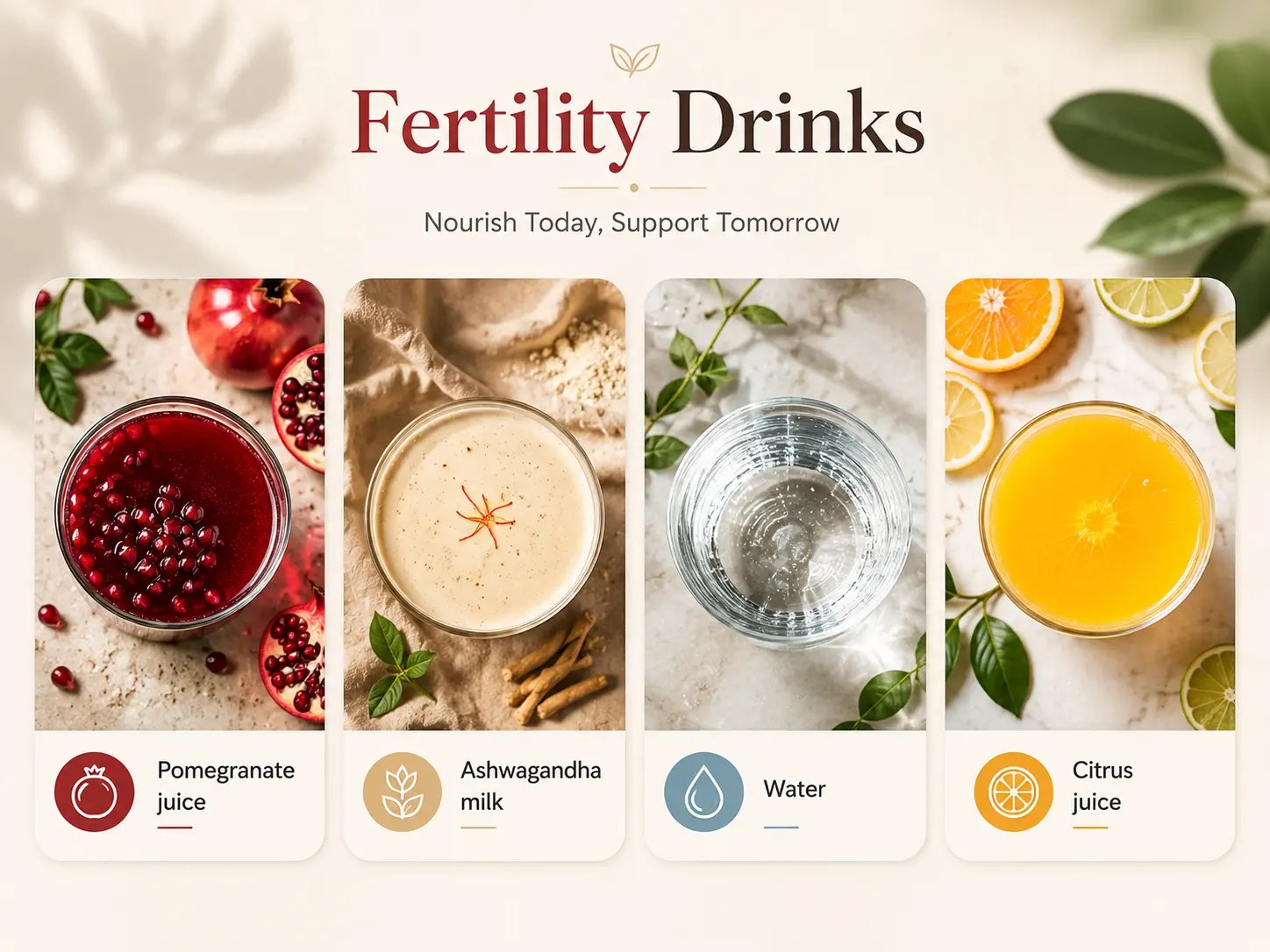
Best Juices and Drinks to Boost Sperm Count
Pomegranate juice is the most research-backed drink for sperm health. Fresh or cold-pressed is always better than packaged versions loaded with added sugar.
Ashwagandha milk is a glass of warm milk with half a teaspoon of ashwagandha powder. A study published in Fertility and Sterility found that ashwagandha supplementation improved sperm count, motility, and semen volume in men with low sperm counts. It also reduces cortisol. High cortisol suppresses testosterone. So ashwagandha works on two fronts at once.
Does milk increase sperm count? Yes, as part of a balanced diet. Full-fat milk provides protein, Vitamin D, and zinc. All three support sperm production. It is not a standalone solution, but it fits well into a fertility-supportive routine.
Water is the most underrated recommendation on this entire list. Semen is mostly water. Dehydration affects semen volume and sperm concentration directly. Eight to ten glasses daily is the simplest, most overlooked fertility habit.
Sample Daily Diet Plan to Improve Sperm Health
This is a practical, India-friendly meal plan that brings everything together. It is not a strict prescription. It is a starting template.
On waking: Soaked methi seeds or warm water with ashwagandha powder. Eight to ten soaked almonds.
Breakfast: Two whole eggs as an omelette with spinach. One slice of multigrain toast. A small glass of fresh pomegranate or orange juice.
Mid-morning snack: Seven to eight raw walnuts. Two dates.
Lunch: Palak dal with brown rice or two rotis. A small portion of grilled chicken, fish, or paneer. A simple salad with tomato and cucumber.
Evening snack: A handful of raw pumpkin seeds. A glass of water or ashwagandha milk.
Dinner: Grilled salmon or mackerel, or a methi paneer preparation. A serving of broccoli or methi sabzi. Two rotis.
Before bed: One glass of warm turmeric milk.
The goal is not perfection. The goal is consistency. Get the key nutrients, zinc, omega-3s, folate, and antioxidants, into your body every day across the full 74-day sperm maturation window. That is when the results show up.
When Diet Alone is Not Enough
Diet moves the needle for many men. Genuinely. But it is not always the complete answer.
Low sperm count sometimes has an underlying medical cause that no amount of dietary effort will fix on its own. Varicocele, which is an enlargement of veins within the scrotum, is one of the most common and treatable causes of male infertility. It requires medical intervention, not just walnuts.
Hormonal imbalances, infections, blocked ducts, and genetic factors all play a role in some cases. Diet supports treatment. It does not replace it.
Severe oligospermia (very low sperm count) and azoospermia (zero sperm in the ejaculate) are conditions that need urgent clinical investigation. A personalised evaluation is the only way to know what is actually driving the problem.
At Delhi IVF, our male fertility specialists look at the full picture. Semen analysis. Hormonal profiling. Imaging. They identify the root cause, then build a treatment plan around it. For many men, combining smart dietary changes with targeted medical treatment is what produces the real outcome.
Concerned about your sperm count or motility? Our male fertility specialists at Delhi IVF can help identify the root cause and guide the right treatment.
Conclusion
Diet is one of the most accessible things a man can act on when facing a difficult fertility result. The right foods, zinc-rich, antioxidant-packed, folate-dense, omega-3 loaded, can improve sperm count, motility, and DNA quality over the course of two to three months.
It is not a guarantee. But it is a real, evidence-backed starting point.
The men who tend to see the best outcomes are those who combine consistent dietary habits with proper medical guidance. One supports the other. Neither replaces the other.
Your fertility journey is unique. Speak to a Delhi IVF specialist today and take the first step towards parenthood.

